Why purchase from China?
•Low prices, especially in bulk buying.
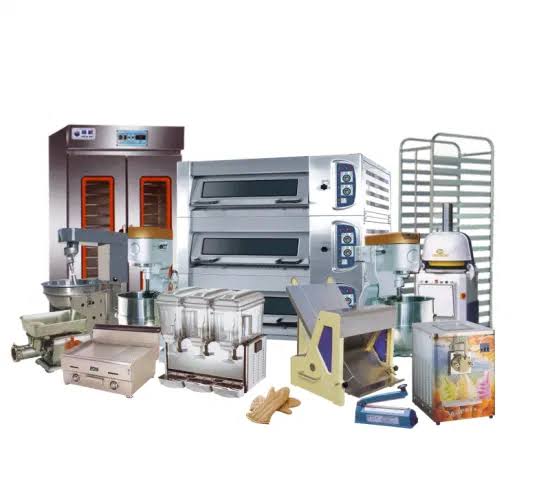
•Virtually unlimited product choices, in all categories.
•Custom product and private labelling services are available.
•Mature supply chain systems, everything you need from parts, to manufacturing to shipping is found in China.
Step 1: Understand precisely what you're buying
Make a specification sheet that covers the following before you contact any supplier:
•Product Name, Images, References
•Size, color, materials & preferred alternatives
•Landed costs (product + shipping + duties) you're targeting
•Requirements (CE, FCC, Food contact etc.)
•Packaging, Barcodes & Labeling requirements
•Quantity (samples first, then target weekly/monthly numbers)
•Quality Standards and permissible defect rate
Step 2: Know the right source channel for you
Your most ideal buying channel is based on your specific situation:
•B2B Marketplaces: To find the cheapest goods, quickly.
•Wholesale Marketplaces: Good for smaller, more mixed orders and to test a new product line.
•Direct Factories: For larger, consistent volumes.
•Sourcing Agents: To assist in locating suppliers and ensuring quality with many suppliers or if you're uncomfortable with the language and overseas correspondence.
General Rule of thumb: One channel for one supplier, DIY. Multiple suppliers or product lines? You need procurement.
Step 3: Properly vet your suppliers
A basic vetting checklist for any potential suppliers:
•Ensure the business license name matches the name on your invoice and on your banking information.
•Verify whether you're dealing directly with the factory or a trading company.
•Confirm that they export to your country and you can track goods in transit.
•Ask about their MOQ, sample costs and turnaround time.
•How does this supplier ensure quality and are they agreeable to third-party inspection?
What you want to be on the lookout for: Evasive answers, resistance to inspection, demands for full upfront payment without solid credibility evidence, overly low prices that raise a red flag.
Step 4: Smartly solicit quotes
•Demand a full quotation in writing:
•Unit Price calculation based on the quantities required (plus possibly prices for greater quantities)
•Sample and packaging costs
•Lead times, fees and payment terms
•Incoterms, carton dimensions and weight
•The cost of tooling/molds if required
Compare the landed cost instead of the unit price.
Step 5: Understand the terms of Incoterms
Incoterms define what the seller is responsible for and when; it affects costs:
•EXW: the buyer is responsible for all cost starting from the factory cost, down to the risks and lastly the duties. These all fall on the buyer.
•FOB: The seller handles everything up to when the product reaches the port and is paid for, then the buyer is responsible for shipping costs to their destination port, including duty and fees.
•CIF: the same as FOB except that the shipping costs and insurance are paid by the seller but the buyer is responsible for customs clearance fees upon arrival.
•DDP: This is ideal for beginners as it puts the burden of payment, shipment and Customs to your doorstep upon arrival.
Recommended approach is FOB coupled with an excellent freight forwarder or DDP if all services are well-defined.
Step 6: Make secure payments
Secure payment options include:
•Trade Assurance / Escrow: Best when first establishing a relationship with your supplier, especially for your first few orders.
•Credit card: The safest option with the most protection against payment fraud.
•Bank transfer (T/T): Used for bulk or wholesale orders and with proven, trusted suppliers after an appropriate period of vetting.
•Letter of Credit (LC): Only for high-value orders and a very formal method of payment.
Payment methods are typical: 30% upfront payment to order and 70% before shipment, although it's possible to have a 50/50 split payment for smaller orders.
Never transfer funds to an individual where the account holder’s name does not match the business that sent you the invoice.
Step 7: Solidify your arrangement with a Purchase Contract
Once you agree on the terms, sign and stamp, a PDF of a Purchase Contract outlining the details:
•Product specification and quality assurance expectations
•Inspection procedures and agreed-upon quality control standards
•Delivery schedule and penalties for lateness
•Returns and warranty details for defective items
•Payment details (schedule and specific deadlines)
Step 8: Oversee quality before shipment
Three levels of quality control are ideal:
•Pre-production sample: This should be created to establish a benchmark for overall quality in mass production.
•In-production check: This phase allows the manufacturer to identify and resolve any problems before they cause delays in production.
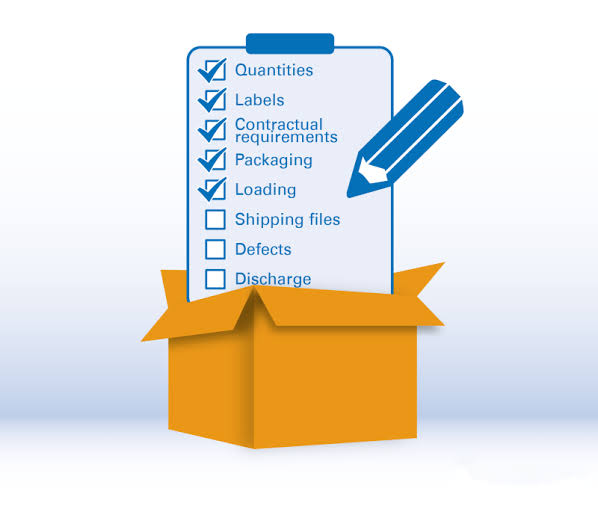
•Pre-shipment inspection (PSI): The final step that verifies quantity, packaging, labelling and general defect rate before shipping.
Step 9: Arrange shipping logistics
Choose the correct shipping method based on the volume and timeliness you need:
•Air Express (DHL/FedEx/etc.): Use when shipping small quantities or samples to meet a quick deadline.
•Air Freight: for when larger shipment volumes are still time sensitive.
•Sea Freight (LCL/FCL): the most cost-effective shipping method for large, bulk orders or reorders purchased in China.
•Rail: Can be quicker than sea freight for medium-sized shipment and is also a viable alternative for shipments traveling between continents, if regionally accessible.
LCL (less than container load) is best for smaller loads and FCL (full container load) for much larger orders, resulting in less per-unit cost.
What many avoid is choosing a shipper only on price-this usually comes back with unexpected costs that increase the overall shipping bill.
Step 10: Customs and Documentation
•Key logistics and customs documentation that you'll need:
•Commercial invoice and packing list
•Bill of Lading or Air Waybill
•HS Code (critical for accurate Customs clearance)
•Certification (CE, FCC, MSDS, Food grade etc.)
Common Custom Issues: incorrect declaration values, inaccurate HS codes, missing documentation or insufficient detail regarding product specification.
Common Mistakes that buyers often make:
•Focusing on price per unit-it’s landed cost that you should consider.
•Neglecting samples-the cornerstone of confirming material and workmanship.
•Vague specification details-often leading to quality disputes.
•Omitting inspections-you'll discover any problems upon receipt but it's a costly exercise to address them.
•Choosing the wrong Incoterms-which results in unnecessary expenses later.
•Unrealistic lead time expectations-which is one sure way to get inferior quality product.
•Not planning for subsequent orders-a delay in subsequent reorders could cost more in terms of lost revenue and customers than any savings achieved by expediting it.
Quick Checklist:
•Did I have a detailed specification sheet ready for my supplier?
•Researched and vetted at least 3-10 potential suppliers?
•Have I received and approved samples with my 'golden sample' saved?
•Does the quotation I receive clearly list all associated costs and terms?
•Have I selected a safe payment method?
•Have I signed a formal purchase contract?
•Have I arranged for a pre-shipment inspection?
•Have I decided on the most suitable shipping method?
•Have I gathered the required customs documentation?
•Is my final landed cost within my profit targets?
FAQ:
•Is purchasing from China safe? Yes, but only when your supplier is diligently vetted, you arrange the appropriate inspections and your payment terms are secured. Most problems occur when a buyer ignores these precautions.
•What Incoterm would be best for a beginner? For a less transparent transaction, consider DDP (if you know all the inclusive services) or FOB if you're working with a trustworthy freight forwarder, which you may prefer to oversee the cargo in greater detail.
•How do I avoid scams? Vet your suppliers carefully, read all documentation closely and use a trustworthy payment method. Consider using a third-party inspector if you're unsure.
•Can I combine shipments from multiple suppliers? Yes, your items can be stored in China, inspected, consolidated and then sent in one combined shipment, significantly lowering your per-item shipping costs.
Conclusion:
Buying from China can be a lucrative venture if you approach it strategically and methodically. Carefully selected suppliers, careful comparison shopping, quality inspections and a clear understanding of shipping terms will serve to greatly reduce your risks and simplify future scaling. Outsourcing procurement, for a multitude of suppliers or products, will be the easiest way to avoid the burdens of supplier management, QC, consolidation and shipping directly.