International Shipping from China to Japan
1. The International Shipping Process
International shipping from China to Japan involves specific procedures and regulations.
First, preparing the shipment is the initial step.
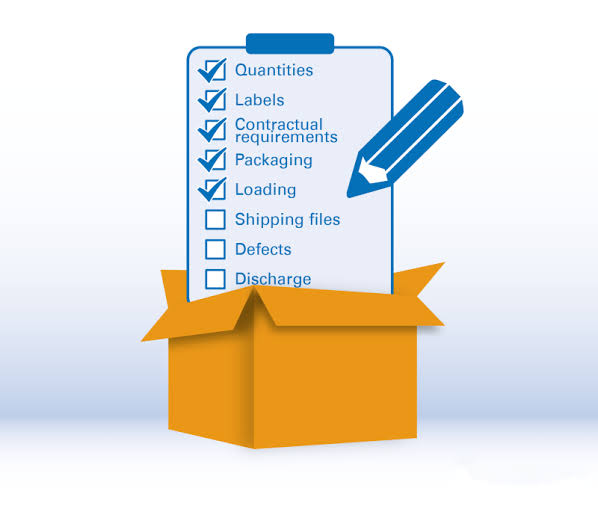
At this stage, you must properly pack the shipment and gather the necessary documents.
Next, you need to consider which shipping method to use from among various options, such as postal services, international courier services, or specialized freight forwarders.
These services differ in terms of cost, delivery time, and tracking options.
Compare them and choose the best option.
Once your shipment is sent and arrives in Japan, it will undergo customs inspection.
At this stage, customs duties and consumption tax may be imposed, and the recipient is usually responsible for paying them.
You can track your package using the carrier’s tracking system.
Once all procedures are complete, the package will be delivered to the recipient’s address in Japan.
2. Import and Export Regulations from China to Japan
Certain items are subject to import and export restrictions when shipping from China to Japan.
These include hazardous materials, illegal drugs, weapons, and protected plants and animals.
In addition, special permits or qualifications may be required to import or export high-value technological products and chemicals.
The import of counterfeit goods and products that infringe on copyrights is prohibited.
Imports of agricultural products and animal and plant products must comply with quarantine regulations.
Therefore, when planning shipments from China to Japan, it is important to research these regulations and procedures in advance and make the necessary preparations.
It is also advisable to seek advice from experienced import agents or shipping companies.
Methods of Transportation and Their Characteristics
1. If you want your shipment to arrive quickly, choose air freight
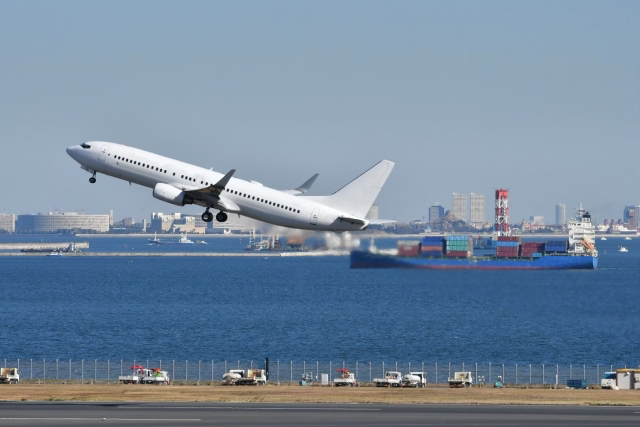
Air freight is the fastest shipping method.
Typically, air freight arrives in Japan within a few days.
If time is of the essence, air freight is the best option.
However, because it is so fast, air freight tends to be more expensive than other shipping methods.
Additionally, since air freight has weight and size restrictions, it may not be suitable for large or heavy packages.
2. If you want to ship cheaply, choose sea freight
On the other hand, sea freight is a cost-effective shipping method.
Sea freight is available at significantly lower rates compared to air freight.
This is particularly suitable for shipping large volumes of cargo or heavy items.
However, transit times are longer.
Sea freight takes longer than air freight, typically taking several weeks.
Therefore, it is suitable when you want to keep costs low.
3. To select an efficient route
Selecting an efficient route requires considering various factors beyond just time and cost.
For example, the type, size, and weight of the cargo.
Furthermore, the distance to the destination, accessibility, weather, and seasonal factors also influence route selection.
In regions where bad weather or political instability is expected, it is wise to choose a more reliable route.
Consider all these factors comprehensively and use comparison tools to select the optimal route.
This allows you to keep costs down while safely delivering the cargo to its destination within the required timeframe.
Calculating Shipping Costs
1. Shipping Costs Based on Weight and Size
When calculating shipping costs, the weight and size of the package are the primary factors.
For air freight, weight is the primary factor in the calculation, but for large packages, volumetric weight (weight calculated based on size) may be taken into account.
Conversely, for sea freight, the total weight, size, and container usage of the shipment are the primary factors determining the cost.
Heavy or large shipments typically incur higher shipping costs.
2. Additional Fees (Customs Fees, Insurance, etc.)
In addition to the basic shipping costs, several additional fees may apply.
These include customs fees, import duties, and import consumption taxes.
These costs vary depending on the type and value of the shipment, as well as the regulations of the importing country.
Additionally, purchasing cargo insurance can protect against loss or damage during transit, but this also incurs additional costs.
3. Budget Planning and Cost-Saving Techniques
Several techniques can help keep shipping costs within your budget.
For example, you can reduce shipping costs by minimizing the weight and size of your shipment.
You can do this by avoiding excessive packaging and compressing soft items.
Also, if delivery time is not a priority, you can lower costs by choosing sea freight instead of air freight.
Optimizing shipping routes and adjusting departure dates can also help reduce costs.
Furthermore, by comparing quotes from multiple shipping companies, you can choose the most cost-effective option.
We recommend using an international shipping quote tool for comparison.
It’s free to use, and you can compare various shipping methods simply by entering the weight or dimensions.
HubBuyer’s International Shipping Quote Tool for Sourcing from China
To avoid unexpected additional costs, it is wise to review all fees in detail beforehand and purchase insurance if necessary.
By properly managing and planning these aspects, you can efficiently calculate shipping costs from China to Japan and optimize your expenses.
Features and Comparisons of Major Shipping Carriers
Several major shipping carriers handling parcel delivery from China to Japan each have their own unique features and advantages.
Here, we introduce four services: "Jp-BP (Japan Bridge Post)," "EMS (Express Mail Service)," "Haiyuan DQ Express Shipping," and "China Post Shipping."
1. Jp-BP (Japan Bridge Post)
Features: Jp-BP is a delivery service primarily specialized for shipments between China and Japan.
In particular, it often handles small packages and lightweight parcels.
Advantages: Its strengths include fast delivery, suitability for small to medium-sized packages, and specialization in services to Japan.
2. EMS (Express Mail Service)
Features: EMS is a high-speed postal service used internationally.
It offers comprehensive tracking services and insurance options and is used in many countries.
Advantages: High reliability, an accurate tracking system, and an extensive global network.
3. Kaigen DQ Express Sea Freight
Features: Specializes in ocean freight and is particularly suitable for transporting large or heavy shipments.
Advantages: Ideal for bulk shipments and offers good value for money.
Another strength is its ability to handle large and heavy items.
4. China Post Sea Mail
Features: A shipping service provided by China Post, generally offering low-cost sea freight services.
Advantages: It offers good value for money and accommodates standard cargo.
It also has an extensive transportation network.
Common Issues and Solutions
1. Impact of China’s extended holiday and customs delays
Major Chinese holidays have a significant impact on logistics.
During the Spring Festival (late January to mid-February) and National Day (October 1 for about a week), logistics operations are likely to be suspended or delayed, so you must be aware of these holidays in advance and adjust your shipping schedule accordingly.
You can avoid delays by either completing shipments before the holiday or scheduling them for after the holiday.
Additionally, since congestion at customs clearance is another cause of delays, it is important to prepare the necessary documents in advance to ensure swift clearance.
2. Measures to Prevent Damage to Shipments in Transit
Careful packaging is essential to prevent damage to shipments during transit.
We recommend using appropriate cushioning materials to protect packages from impact and vibration, and implementing waterproofing and moisture-proofing measures as needed.
If you are in Japan and unable to implement these measures yourself, you can request assistance from your supplier or utilize the services of an import agent.
Click here for details on HubBuyer’s options for sourcing from China
3. How to Inquire About Delivery
You can use the tracking system provided by the shipping carrier to monitor the current location and status of your shipment in real time.
If you need further information, you can contact the carrier’s customer service and request assistance.
It is particularly advantageous to choose a carrier with a support system that offers assistance in both English and Japanese to facilitate communication.
Summary
What did you think?
Since international shipping is a field that is constantly changing and influenced by many variables, the key to success is staying up to date with the latest information and maintaining the flexibility to adapt.
We hope this article proves useful to businesses shipping from China to Japan.
Leave your Alibaba and Taobao sourcing, as well as FBA direct shipping, to hubbuyer.
With offices in both Japan and China, HubBuyer is dedicated to handling all operations within China and delivering goods to Japan (including FBA direct shipping) on your behalf.
If you are considering importing and selling products from China, we invite you to use HubBuyer’s services.