What is LCL?
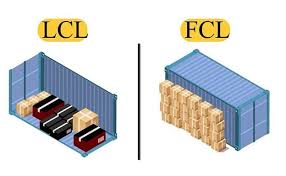
In LCL the cargo is picked up at Container Freight Station and loaded onto one container with other cargoes, shipped overseas, deconsolidated at the receiving CFS, cleared, and delivered. The use of LCL is ideal for mixed SKU, trials and large shipments that aren't small enough for air freight and not large enough for one shipping container.
FCL or LCL Which One is For You?
Choose LCL if you have a smaller volume of shipment and you would like to test your products, choose FCL if your shipment volume is consistent and larger. FCL has fewer stages and damage is less risk since a shipping container has full seal.
LCL Pricing W/M Calculation
W/M calculation (weight or measurement-higher of the two): 1 CBM = 1 m = 1 measurement ton; 1,000 kg = 1 weight ton. Your payment is then calculated based on max (Total CBM, Total weight in tons). CBM is calculated using formula L W H (in meters) X No of Cartons.
True Cost of Shipment
It is important that you always request a three-bucket quote, rather than just your ocean freight rate.
Origin costs: pickup/delivery services, export customs clearance, CFS receiving services.
Ocean freight cost: W/M with minimum rate applicable.
Destination costs: CFS deconsolidation, destination terminal, customs broker services, and delivery trucking (these can often surprise you).
Full Procedure of LCL Shipment movement:
1. Checking cargo information (cartons count, dimensions, weight, CBM, descriptions)
2. Choosing Incoterms (FOB, is most popular; EXW if forwarder is to pick up cargo from the manufacturer)
3. Forwarder booking and CFS cut-off date
4. Consigning to the CFS facility, cargo measurement/weighing
5. Cargo consolidation at CFS and loading into a container with other consignors
6. Ship voyage with tracking facility
7. Unpacking cargo at the CFS facility at the destination.
8. Customs declaration (using the commercial invoice, packing list and B/L)
9. Terminal delivery to the warehouse/3PL.
Key documentation needed:
Commercial Invoice, Packing List, Bill of Lading, Certificate of Origin (if applicable) and Product Certificates (if applicable).
Ways to Reduce Damage and Expenses:
Manage CBM-maximum carton size, utilize the full carton, merge suppliers at the CFS before loading.
Packaging-double-wall cartons, protective inserts, marked cartons with SKU information.
Obtain cartons data before booking-size, weight, photos, packing list.
Typical Mistakes:
Ocean freight alone is usually the main deciding factor in choosing FCL over LCL, but not clarifying destination charges will leave you with costly surprises. This, coupled with incorrect CBM calculations and insufficient packaging, can result in damage due to mishandling and/or missed CFS cut-off times.
Conclusion:
While LCL freight is an affordable alternative to costly air freight or fully occupied shipping containers, take care when planning your shipment. Keep your CBM controlled, make sure to request a three-bucket quote and pack accordingly because, generally, LCL involves more handling than FCL.
Related Articles
All articlesWhy Does Customs Hold Things Up Over "Just One Document"?
“We’re stuck because of paperwork”—this is a phrase you often hear in the world of imports. The goods seem fine. The quantities match. Yet, customs clearance isn’t moving forward. Why does paperwork alone cause such a major problem? In this article, we’ll break down the reasons from a structural perspective.
Yiwu's Ultimate Market Sourcing Guide For Global Buyers In 2026
The Yiwu International Trade Market, also well known as the "World's Supermarket" is the world's largest wholesale market for small commodities. This trading market has been designed to serve importers, product distributors, commodity retailers and e-commerce sellers from across 210+ world countries and regions. With over 75,000 physical booths and 400,000+ product SKUs ranging from small to medium and extra large products, of all diversities,categories and types, the Yiwu International Trade Market has become the top sourcing destination for global buyers seeking cost-effective, diversified and customizable wholesale products. The Yiwu's Ultimate Market Sourcing Guide For Global Buyers In 2026 is a guide aimed at elaborating on the Yiwu Market's core advantages, district layouts/product types, standard procurement/purchasing processes,common pain points, professional sourcing solutions and sourcing agent options for global newcomers and long-term buyers.
Hardware Products and Tools Sourcing from China
When you purchase hardware products from China you can earn a lot of money. However if you only consider the price you will likely end up losing money. You need to think about the strength of the hardware products materials and how accurate the sizes of the hardware products. You also need to consider how well the hardware products resist corrosion and the quality of the surface treatment of the hardware products. Hardware products from China are really different from the things you can buy in stores. China is one of the places in the world where they make hardware and tools. They make all sorts of things like hand tools, fasteners, hardware for furniture, tools for building and tools for gardening. If you want to buy hardware products from China and do well you have to be very careful. You need to be careful about what hardware products you're buying and who you are buying the hardware products from. You need to check the quality of the hardware products. What certificates the hardware products have. You also need to think about how you will get the hardware products, from China to where you need the hardware products to be.
Toys and Games Sourcing from China
Toys and games are really interesting to import because people want them all year round and there are spikes in sales during holidays. There are also some areas within this category such as educational toys, puzzles, board games, plush toys, outdoor toys pretend play sets, building toys, baby products and electronics. China is the place where most toys are made. They can do everything from making cheap ready-made products to creating custom toys from scratch. What makes toys and games different from things we import is that kids use them. This means that making sure they are safe and meet standards is really important. If a toy fails safety tests. Has parts that kids can swallow or has too much lead in the paint it can get into big trouble. This can lead to lawsuits the toy being taken away at customs being removed from marketplaces and even having to recall the product. Because of this making sure toys meet all the safety and quality standards needs to be part of the process from the beginning not something to check off at the end. Toys and games have spikes in sales. Toys and games have sub-niches like toys, puzzles, board games, plush toys, outdoor toys pretend play sets building toys, baby products and electronics. Toys are used by children so toys need to meet safety standards and toys need to meet quality standards.