Who is a private label supplier?
A private label supplier is a company (or group of companies) that makes things you sell under your own brand name. They usually do this by:
●The product has your logo on it.
●Custom boxes, labels, and inserts.
●Changes to the product that are optional (colors, materials, accessories).
Private labels are often based on ODM (existing product base) with changes to the brand. As you make more changes, it can turn into OEM.
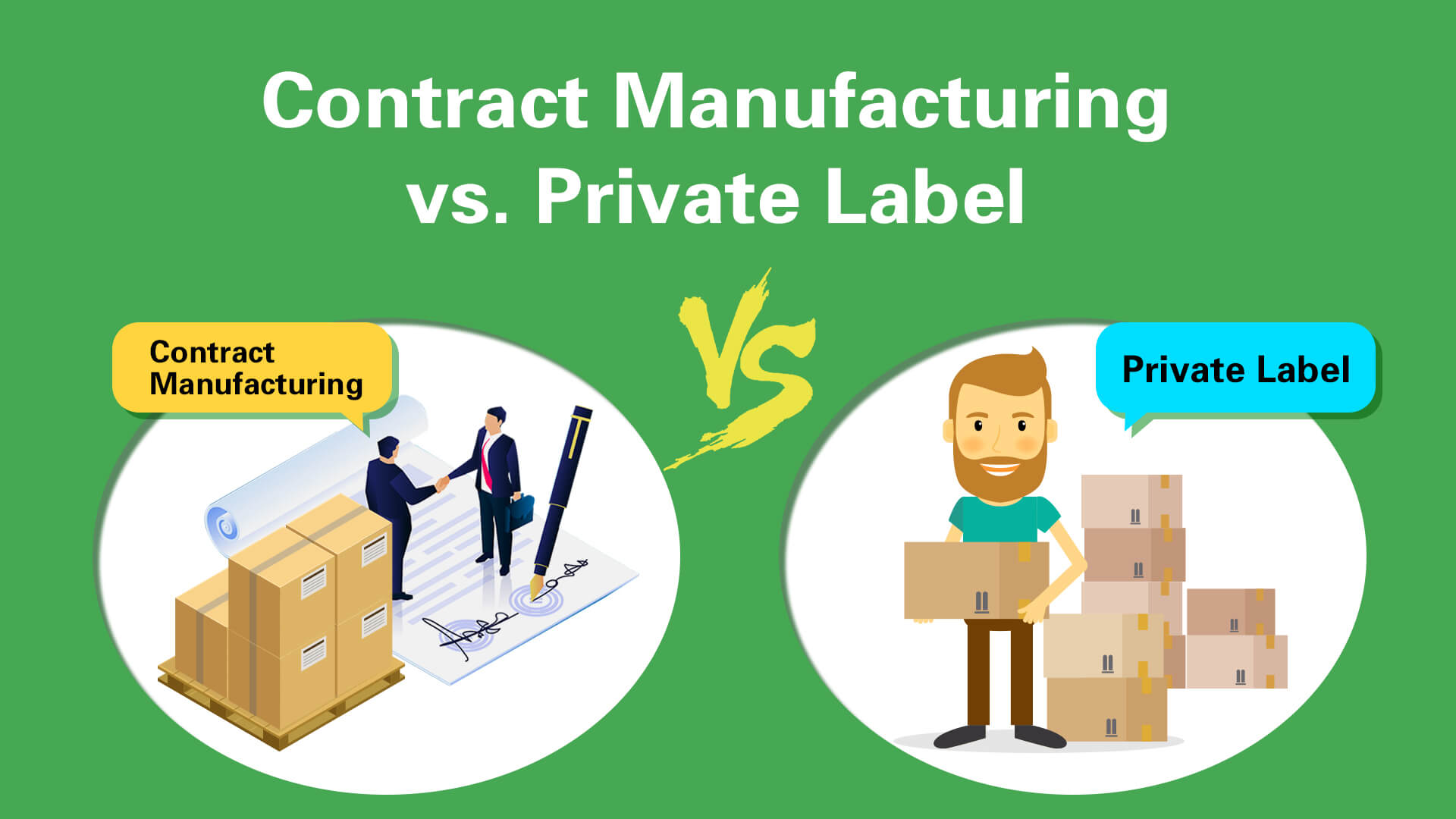
A Quick Look At The Difference Between Private Labels And White Labels
●White label: the same standard product is sold to many sellers with only a few changes (usually just the logo).
●Private label: gives you more control over the brand, such as custom packaging, labeling, and often upgrades to the material and features.
If you want to stand out for a long time and make more money, private labeling is usually the way to go.
Why Your Choice Of Supplier Matters
In the Private Labeling domain, the success of your labels depends on:
●Consistent quality of products (low return rates/good reviews).
●Correct packaging and labeling (compliance with the platform and brand experience).
●Stable supply and reliable reordering.
●Ability to make the product better over time (Version 2, better materials, bundles).
A supplier that can handle details will make private labeling very risky.
What to Look for in a Supplier of Private Labels
1、 Specialization in a certain type of product
Pick suppliers who already make things in your category, not ones that say "we can make everything."
2、 Low Defect Rate and a Quality Control System
Please ask about:
●Checking incoming materials.
●Checks during the process.
●Final check before shipping.
●How to deal with defects (refund, replacement, or credit).
3、 Ability to brand and package
A real private label supplier should help with:
●Options for printing or engraving logos.
●Requirements for packaging design (box, polybag, insert, and carton marks).
●Labeling with barcodes (FNSKU, carton labels).
●Putting things together (sets, multi-packs).
4、 Realistic minimum order quantities and price breaks
Often, private label needs:
●Minimum order quantity for the item.
●Minimum order quantity for custom packaging (boxes, printing plates).
●Get price ranges (like 200, 500, 1000, and 3000) so you can figure out how to scale.
5、 Help with compliance and paperwork
Depending on your market and product:
●Declarations of materials.
●Reports and certificates of testing.
●Standards for labeling.
●Documents for export (HS code, packing list, and invoice).
6、 How fast and professionally you communicate
The quality of a supplier's response is a good sign of how well they will do during production.
How to Find Private Label Suppliers
1、 Manufacturing clusters
Find factories in areas that are known for making your type of product (this often leads to better quality and price comparisons).
2、 B2B Platforms (Great for Finding Things)
Use platforms to quickly make a long list, then check it carefully.
3、 Trade Shows
Trade shows let you compare different levels of quality, meet people who can make decisions, and find suppliers who can make OEM and ODM products.
4、 Google Search and Factory Websites
A lot of strong factories focus on long-term buyers and have their own websites, but you need to be careful when you check them out.
5、 Sourcing Partners or Procurement Teams
If you're in another country or in charge of a lot of private label SKUs, a procurement partner can help you:
●Check out the factories.
●Take care of the development of sampling and packaging.
●Do quality control checks.
●Combine shipments.
Step-by-Step Guide: How to Work with Private Label Suppliers
Step 1: Figure out what your brand needs
Write a "private label brief":
●Price position and target market.
●Product specs and what you want to improve compared to your competitors.
●Where and how to put the logo (print, laser, emboss, label).
●The style of the packaging (premium box, eco-friendly packaging, inserts).
●Strategy for bundles (multi-pack, accessories, gift set).
●What your market needs to do to stay compliant.
Step 2: Create a Supplier
Choose 3 to 5 suppliers to put on your shortlist.
Sort suppliers by:
●Specialization in your field.
●The ability to show proof of production.
●Previous experience with exports.
●The ability to package and brand.
●Fit for MOQ and lead time.
Step 3: Send a regular RFQ (Request for Quotation)
Your RFQ should ask for:
●Different unit prices for different amounts.
●Minimum order quantity (MOQ) and lead time.
●Cost of the logo and setup fees.
●Cost of packaging (box, inserts, labels).
●Cost of the sample and how long it will take.
●Policy for dealing with defects.
●Different shipping terms (EXW, FOB, CIF, DDP).
Step 4: Sampling and Making the Product Better
Don't just say yes to "any sample." Use sampling to make a better product:
●Test the materials and how long they last.
●Make packaging and extra parts better.
●Fix common problems that customers have (upgrades to Version 1).
●Confirm the "golden sample" reference for production.
Step 5: Developing Packaging and Making Sure It Meets Requirements
●Size and level of protection for the packaging.
●Requirements for labels (country of origin, barcode, warnings).
●Marks on the carton and strength of the master carton.
●Inserts and brand messaging (works with the platform).
Step 6: Quality Control Before Shipping and Trial Order
Before increasing volume:
●Make a test order.
●Check the shipment before it leaves.
●Make sure the logo, packaging, and labels are all correct.
●Make sure the measurements and number of cartons are correct.
This step keeps your reviews and your money safe.
Step 7: Make the reorder system bigger and better
Save and manage:
●Final spec sheet and a golden sample.
●Proof reading and packaging files.
●List of quality checks and history of defects.
●Records of lead time.
●Levels of prices and places to renegotiate.
●Backup supplier choice for best-selling items.
Questions to Ask a Private Label Supplier
1. Are you a factory or a trading company? Can you send us pictures or videos of the production line?
2. What is the minimum order quantity (MOQ) for this item and for custom packaging?
3. What kinds of logo printing can you do (print, laser, emboss, or label)? Cost of setup?
4. What is the cost and time it takes to get a sample? How many changes are included?
5. What is the normal amount of time it takes you to make something during peak season?
6. How do you make sure that the quality is good (incoming, in-process, and final)? Can you send QC pictures?
7. What is your policy for defects (replacement, refund, or credit) and how long do I have to make a claim?
8. Can you help with barcode labeling and carton marks?
9. What export papers can you give me (invoice, packing list, HS code)?
10. If you need them, can you help with compliance documents or test reports?
Common Errors When Sourcing Private Labels
●Picking suppliers only because they have the lowest unit price.
●Not making the product better (so it is the same as the competition).
●Not paying attention to packaging and labeling details (problems with the platform and delays).
●Scaling orders without testing and quality control checks.
●No written rules or ways to change things.
●Not keeping track of how well suppliers do on reorders.
Final Thoughts
A private label supplier is more than just a factory; they are a partner in making your brand. The best private label companies win by making sure that their products are always of high quality, that their packaging is done correctly, that they follow the rules, and that they can always reorder.