What Is Retail Product Sourcing?
Retailers and resellers purchase inventory from a variety of suppliers through resell product sourcing, which includes:
•Factories and manufacturers
•Distributors and wholesalers
•Authorized resellers and brand owners
•Trading companies and importers
•Channels for clearance and liquidation
The goal is to purchase goods at a price that is profitable while still covering costs like shipping, storage, platform fees, and returns.
Why Retail Sourcing Is Different From “General Sourcing”
There are difficulties with retail sourcing:
•Inventory risk: Goods are frequently bought before demand is completely understood.
•Consistency is required: Consumers anticipate consistent standards and quality.
•Lead time impact: Stock shortages can negatively affect rankings, sales momentum and repeat business
•Pricing competition: Your capacity to compete in the market is directly impacted by supplier costs.
•Responsibility for compliance: Retailers may be held liable for dangerous or mislabeled goods.
For these reasons, rather than being a one-time transaction, retail sourcing should be viewed as a continuous system.
The Most Common Retail Product Sourcing Channels
The main source techniques and the best times to use them are listed below:
1) Wholesale Distributors
You buy goods in bulk from wholesalers, whether they are generic or branded.
Ideal for: Reliable supply schedules and steady inventory
Beware of: Lower profit margins when compared to sourcing directly from the factory
2) Direct From Manufacturers (Domestic or Overseas)
Products are sourced directly from factories, either as standard items (OEM) or customized (private labeling).
Best for: Higher margins, customization and scalability
Beware of: Minimum order requirements, quality control needs, longer lead times and import complexities
3) Brand Partnerships & Authorized Reseller Programs
You collaborate directly with brands and sell their products with official authorization.
Best for: Premium positioning, customer trust and strong market fit
Beware of: Pricing restrictions (MAP), approval processes and sales targets
Suppliers are sourced online, allowing you to request quotes and samples.
Best for: Comparing suppliers quickly and discovering new product ideas
Beware of: Varying supplier quality—proper vetting and quality checks are critical
5) Trade Shows and Wholesale Markets
You meet suppliers face-to-face and negotiate deals in person.
Best for: Building long-term relationships and identifying trending products
Beware of: Travel costs, time investment and information overload
6) Liquidation, Closeouts and Overstocks
You purchase discounted inventory from surplus stock, returns or store closures.
Best for: Low-cost sourcing and short-term profit opportunities
Beware of: Irregular supply, mixed product conditions and difficulty restocking
7) Local Makers and Small Producers
You source products from local artisans or small-scale producers.
Best for: Boutique stores, unique offerings and strong brand storytelling
Beware of: Limited production capacity and scalability challenges
How to Choose the Right Sourcing Strategy
Your business objectives will determine which strategy is best for you:
•Rapid testing with little risk: restricted drop shipping or small wholesale purchases
•Creating a lasting brand: Direct factory sourcing or private labeling
•Managing a specialty store: small-batch suppliers, handpicked imports or regional manufacturers
•Effectively managing cash flow: a combination of sporadic liquidation transactions and wholesale necessities
•Quick scaling: robust manufacturing alliances, 3PL shipping and stringent quality assurance
The majority of prosperous shops use a hybrid strategy, mixing lesser quantities of novel or popular commodities with dependable core products.
A Step-by-Step Retail Sourcing Process
Step 1: Define Your Ideal Customer and Category
Steer clear of sourcing sporadic trending things. Concentrate on a certain audience.
Inquire:
•Who is your target customer?
•What problem does your product solve?
•What price range suits your market?
Step 2: Set Your Target Margin
In retail, the unit price is not as significant as the overall landed cost.
The landed cost consists of:
•The cost of the product
•Transportation and freight
•Taxes and duties (for imports)
•Payment or platform fees
•Allowances for returns.
A typical goal is a 30–50% gross margin, depending on the product category.
Step 3: Build a Supplier Shortlist (3–5 Suppliers)
Assess suppliers based on standards like:
•Setting prices for varying order volumes
•The quality of the sample
•Effectiveness of communication
•Dependability of the supply over the long term
Step 4: Request Samples and Test Them
Testing samples are crucial, particularly for wearable, electrical or delicate products.
Look for:
•Durability and construction quality
•Protection of packaging
•Labeling accuracy
•Uniformity throughout units
Step 5: Negotiate Like a Retailer (Not a Bargain Hunter)
Prioritize long-term dependability beyond merely finding the best deal.
You can negotiate:
•More affordable prices at larger quantities.
•Better packaging
•Reduced lead times
•Adaptable MOQs for recurring orders
•Terms of payment (e.g., deposit with balance following inspection)
Step 6: Put Quality Control in Writing
Profitability can be greatly impacted by quality problems.
Best practices include:
•Clearly recording product specifications
•Asking for manufacturing samples for large orders
•Pre-shipment checks of large orders
•Maintaining photographic or video documentation of packaging and labeling
Step 7: Plan Fulfillment and Reorder Points
For retail businesses to succeed, inventory management is essential.
Establish:
•Levels of safety stock (buffer inventory)
•Points for reordering (when to replenish)
•Schedules for lead times (manufacturing plus shipping)
Simple rule: Reorder when there is enough inventory to cover lead time plus buffer, according to this straightforward criterion.
Common Retail Sourcing Problems (And How to Avoid Them)
Problem 1: “The supplier is cheap, but quality is inconsistent.”
Fix Problem 1: Compare multiple suppliers, test samples and clearly define quality standards.
Problem 2: “Shipping costs reduced my profits.”
Fix Problem 2: Calculate based on total landed cost, select appropriate shipping methods, and optimize packaging size.
Problem 3: “My best-selling product keeps running out.”
Fix Problem 3: Secure backup suppliers, confirm production capacity, and reorder early.
Problem 4: "Products don't match what customers see online.”
Fix Problem 4: Use original product images, confirm specifications, ensure consistency and keep listings accurate.
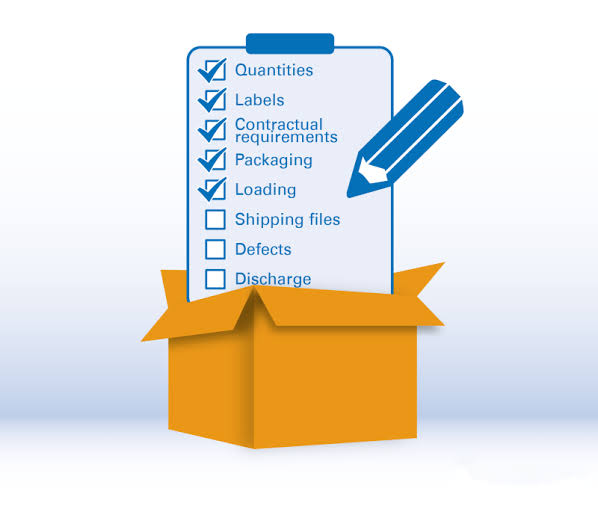
Retail Sourcing Checklist (Quick Reference)
Prior to ordering in bulk, make sure:
•✅ Verified demand and competitive pricing
•✅ Target margin based on landed cost
•✅ Supplier reliability and capability
•✅ Samples tested and approved
•✅ Documented specifications and packaging requirements
•✅ Quality control plan in place
•✅ Shipping strategy and timeline confirmed
•✅ Backup supplier identified
Final Thoughts
Your profitability, customer satisfaction and growth potential are all directly impacted by the procurement of your retail products. Successful merchants create structured sourcing methods that guarantee constant quality, dependable supply and predictable costs rather than depending on luck.