What Does “Product Sourcing” Mean?
Every stage necessary to take a product from a concept to your inventory (or straight to clients) is included in product sourcing, including:
• Determining product prospects and assessing demand while searching for possible suppliers or manufacturers
• Bargaining over agreements, minimum order quantities (MOQs) and prices
• Evaluating supplier reliability and product quality
- Managing branding, packaging and production
• Organizing delivery, customs and shipping schedules
• Making backup supply choices in case of interruptions
Product sourcing in simple terms is the process of obtaining goods to sell while fulfilling quality standards and financial objectives.
Why Product Sourcing Matters in E-Commerce
While many novices focus on social media, website designs, or marketing, sourcing is ultimately what defines scalability and long-term success.
When you source effectively, you can:
Increase profit margins by reducing expenses.
Reduce returns and complaints by maintaining good product quality.
Assure dependable and consistent delivery schedules
Make a statement with personalization and branding
Reduce risks by using reliable suppliers and quality assurance
Inadequate sourcing may cause:
Stock shortages and shipment delays
Variations in product standards
Excessive rates of refunds and returns.
After payment, suppliers stop responding
Restricted or noncompliant goods
Common Product Sourcing Methods
The optimal sourcing strategy varies depending on your business model, budget and execution speed.
1、 Sourcing From Local Suppliers
This entails making purchases from domestic vendors, such as wholesalers or regional producers.
Pros
Quaker delivery
Improved communication
Easier support and returns
Cons
Increased costs
Restricted personalization
A more limited selection of products
Ideal for:
Companies that prioritize dependability and quickness.
2、 Online Marketplaces (Alibaba, 1688, etc.)
B2B platforms are used to source for suppliers, enabling direct negotiation and comparison.
Pros
A large range of products
Reasonably priced
Possibilities for personalization
Cons
Unreliable supplier quality
Time-consuming confirmation
Complicated customs and shipping
Ideal for: Sellers looking for more varied supplier options and higher margins.
3、 Sourcing Through Agents or Sourcing Companies
Agents help with shipping logistics, inspections, negotiations and supplier selections.
Pros
Lessened hurdles related to language and culture
Better quality assurance and supplier screening
Assistance with shipping and consolidation
Cons
Extra charges for services
The need to locate a trustworthy agency
Ideal for: Foreign purchasers seeking a more efficient sourcing procedure.
4、 Dropshipping (Supplier Ships for You)
After orders are received, suppliers put products for sale and ship them straight to consumers.
Pros
Minimal initial outlay
No inventory is needed.
Fast product testing
Cons
Reduced profit margins
Limited authority over delivery and quality
Increased return risk
Ideal for: Novices testing products prior to scaling.
5、 Private Label / OEM Manufacturing
You work with manufacturers to create customized or branded goods.
Pros
A powerful brand identity
Increased long-term financial success
Increased possibility for consumer loyalty
Cons
Greater MOQs and initial investment
Extended production schedules
Strong quality control is necessary.
Ideal for: Business owners creating a lasting brand.
The Product Sourcing Process (Step-by-Step)
Successful sellers typically follow the following workflow:
Step 1: Define Your Product Requirements
Clarify:
Aim for profit and cost margins.
Materials and features
Expectations for quality
Needs for branding and packaging
Requirements for compliance
Step 2: Find 5–10 Potential Suppliers
Instead of depending just on one source, making shortlist assess:
Reviews and business track record
Whether they are trading firms or manufacturing
Reactivity in communication
A readiness to offer certifications and examples
Step 3: Request Quotes and Samples
Request specifics like:
Order volume-based pricing
MOQ.
The lead time and sample cost
Timeline of production
Packaging costs
Methods of delivery
Always thoroughly test samples before moving forward.
Step 4: Verify the Supplier
Among the techniques for verification are:
Factory images and video calls
Inspections by third parties
Verification of business documentation
Safe payment options for first-time transactions
Step 5: Negotiate Terms
Key terms consist of:
Pricing per unit
MOQ
Policies and compensation for defects
Payment plan (balance and deposit)
Penalties and deadlines for production
Step 6: Quality Control (QC)
For long-term success, quality control is crucial.
Standard QC phases:
Inspection prior to production
In-production inspections
Prior to shipment, a final inspection
Step 7: Shipping and Customs Planning
Ascertain:
Mode of transportation (air, sea, express)
Terms of trade (DDP, FOB, EXW)
Options for consolidating shipments
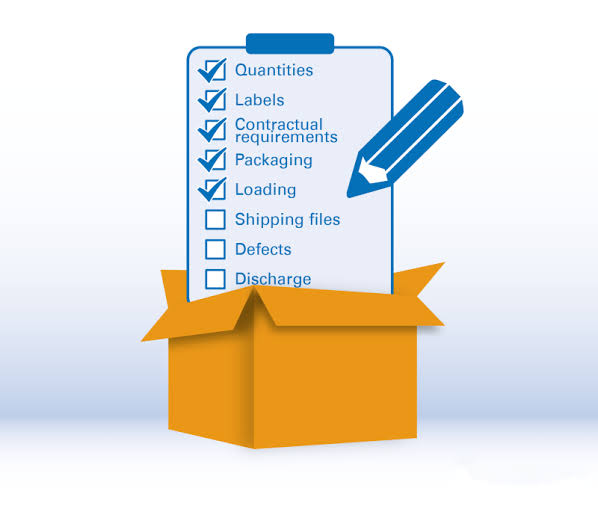
Requirements for labelling
What to Look for in a Good Supplier
A trustworthy supplier is not only affordable but also dependable and consistent.
Positive signs:
Timely and transparent communication
Consistent costs and schedules
A readiness to address problems
Offers documentation and samples
Knowledge of exporting to your market
Warning signs:
Unrealistically low prices
Stays clear of simple inquiries
Refusal to supply samples
Payment requests that are dangerous
Regular term changes
Product Sourcing Mistakes Beginners Make
Some typical errors are as follows:
Choosing vendors solely based on cost
Ignoring inspections and testing of samples
Purchasing too much inventory too soon
Ignoring the cost of shipping and customs
Not obtaining backup suppliers
Ignoring the need for compliance
Offering goods that could violate intellectual property
FAQs About Product Sourcing
Are dropshipping and product sourcing the same thing?
No, dropshipping is only a part of the larger idea of product sourcing.
With a limited budget, how can I get started?
Start with:
Suppliers with low MOQs
Low-risk, straightforward products
Demand testing prior to scaling
Do I require a sourcing agent?
They are helpful, but not always:
You encounter linguistic obstacles
You require assistance with shipping and quality assurance.
You oversee several suppliers.
Final Thoughts
The foundation of any e-commerce company is product sourcing.
Effective sourcing procedures greatly simplify the management of pricing, marketing, customer satisfaction, and expansion.
The key strategy for novices is straightforward: start small, carefully check suppliers, and get better over time.
Scaling your business becomes much more feasible once you consistently source high-quality products at competitive prices and deliver them consistently.