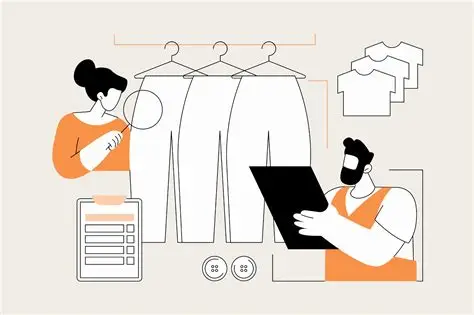
Why get clothes from China?
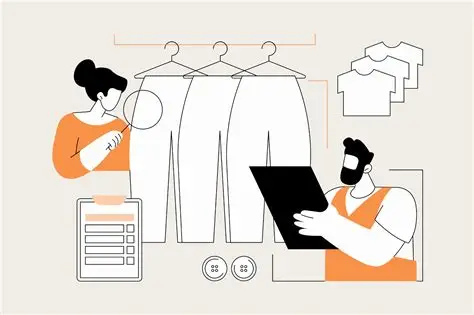
Because it combines:
●Support for the whole ecosystem: fabrics, trims, accessories, packaging, printing, and embroidery.
●A wide range of capabilities, from small workshops to big export factories.
●OEM/ODM options: include cut-and-sew, private label, pattern making, sampling, and custom packaging.
●Speed and scalability: It's easier to grow when a product starts to sell.
That being said, clothing is full of details like sizing, stitching, fabric quality, color accuracy, and finishing, so choosing the right supplier and doing quality control are more important than in many other areas.
Important places in China for making clothes
There are many clothing clusters in China. Different areas often focus on making and shipping different kinds of goods. This can change from factory to factory, but these are common patterns.
1、 Guangdong (Guangzhou and nearby cities)
Best for:
●Fashion clothes with styles that change quickly
●Clothes for women, denim, and accessories
2、 Zhejiang (Hangzhou, Ningbo, Shaoxing) is the best place for:
●Knitwear, fashion clothes, and woven clothes.
●Easy access to big fabric and textile suppliers, especially in the Shaoxing/Keqiao area.
●Good for brands that want a lot of different types of fabric.
3、 Fujian (Quanzhou, Xiamen, Jinjiang) is the best place for:
●Clothes for sports, leisure, and the outdoors
●Performance fabrics, technical production experience
4、 Jiangsu (Suzhou, Nantong) Best for:
● Factories that are more like "production systems"
● Knitwear, loungewear, and some work/uniform categories
5、Shandong (Qingdao and nearby) is the best place for
● factories that focus on exports and steady bulk orders
● knit items, basics, and large-volume production.
Tip: Picking the right area can often speed up development because the fabric and trims network is close by.
Types of Clothing Manufacturers (Know Who You're Working With)
The word "supplier" can mean different things in the clothing business:
●Cut-and-sew factory (CMT/CM): You give them the fabric and design, and they cut and sew it.
●Full-package factory (FPP): the factory gets the fabric and trims, makes samples, and makes bulk.
●OEM factory: makes things according to your specifications (patterns/tech pack)
●ODM factory: gives you styles that are already made that you can brand or change.
●Trading company: runs several factories; communication is easier, but there is less transparency.
A full-package or OEM partner is often the easiest choice for beginners. If you control the materials, direct cut-and-sew can lower costs for advanced brands.
How to Look for Clothing Makers in China
1、Start with the type of product you want to make.
Different factories specialize in different things. Be clear:
●"factory for women's woven dresses".
●"activewear seamless factory".
●"hoodie fleece knit factory".
●"Organic cotton factory for baby clothes".
2、 Use discovery across multiple channels
●Lists of B2B suppliers (helpful for making longlists).
●Trade shows (great for seeing how well things work and getting samples).
●Web search + factory websites (often finds real factories).
●Recommendations from fabric and trim suppliers, quality control companies, and freight forwarders.
●Finding partners (this is helpful if you're in another country).
3、 Make a long list, then a short list
Try to get 10 to 20 suppliers, then narrow it down to 3 to 5 based on the quality of their responses, their ability, and the results of their samples.
How to Check a Clothing Factory (Avoid Costly Mistakes)
Checks on what the factory can do
Request:
●Pictures and videos of products that are similar (not just pictures of models).
●Seam types, inside finishing, and stitching details.
●Production lines (cutting, sewing, finishing, and packing).
● Monthly capacity and lead time during peak season.
Ability to sell and develop products
●A good clothing supplier should take care of:
●A timeline for sampling and changes.
●Making patterns (or using the patterns you already have).
●Finding fabric and matching colors.
●Size grading (S/M/L/XL or custom sizing).
The truth about quality systems
Check:
●Checks while sewing.
●Standards for the final inspection.
●Ghecks on measurements and a policy on tolerances.
●How they deal with mistakes and do extra work.
Warning signs
●Unclear answers about the fabric GSM, makeup, shrinkage, and colorfastness.
●Won't show the production environment or take close-up photos.
●Prices that are too low without explaining the differences in fabric and finishing.
The Tech Pack: Your Best Friend For Getting Accurate Quotes and Steady Bulk
Send a proper tech pack (or a simpler version) if you want quotes that are always right and production that is always the same.
Add:
●Flat drawings (front and back).
●Chart of measurements with tolerances.
●The fabric's makeup, GSM, and stretch needs.
●Zippers, buttons, labels, and drawcords are some of the trims.
●Notes about the construction (type of stitch, finish on the seam).
●Size and placement of print/embroidery.
●Requirements for packaging (polybag, size sticker, and carton marks).
Without a tech pack, there will be misunderstandings, which will lead to inconsistent bulk goods.
The Right Way to Sample and Make Bulk Products
This is what a professional apparel workflow looks like:
1. Quote and choose a factory.
2. Sample development (1 to 3 rounds is normal).
3. Set a size sample (check the size and grade).
4. Pre-production sample (PPS): the last reference before bulk.
5. Making a lot of things.
6. Final inspection and inline inspection.
7. Putting things in boxes and sending them.
Not setting the right size and PPS is a common reason for "sample good, bulk bad."
What to Expect: Typical MOQ, Lead Time, and Costs
These can be very different, but in general:
1. The minimum order quantity (MOQ) depends on the fabric and how complicated it is (custom fabric raises MOQ).
2. Lead time usually includes:
●sampling: 7 to 21 days for each round
●bulk production: 15 to 45 days, depending on the season and size of the order
3. Things that make costs go up:○the quality and make-up of the fabric
●how hard it is to print or embroider
●washing treatments (enzyme wash, dye for clothes)
●trims and accessories
●requirements for packaging
●QC level and rate of rework
Best practice: Use the same fabric specs and finishing requirements to compare suppliers. If you don't, price comparisons don't mean anything.
Don't Ignore Compliance and Labels
This may be necessary depending on your market:
●Rules for fiber composition labels.
●Labels for care.
●Labels that say where the product came from.
●Testing for banned substances (especially clothes for kids).
●Requirements for flammability (in some categories/markets).
Make sure your supplier can help you with correct labeling and paperwork.
Checklist for Quality Control on Clothing Orders
Before shipping, check:
●Measurements (important points and tolerances).
●Flaws in the fabric (holes, streaks, and changes in color).
●Quality of stitching (broken stitches, skipped stitches, seam strength).
●Alignment and color accuracy for printing and embroidery.
●Accessories (how zippers and buttons work).
●Consistency of washing and shrinking (if it matters).
●Packing accuracy (size ratio, labels, and marks on the carton).
For best-sellers, do an inline inspection to find problems early, before the whole batch is done.
Things People Do Wrong When Buying Clothes from China
●Choosing the lowest price without locking in the fabric specs.
●Not getting size set or PPS samples.
●Unclear tolerances (factories need clear standards that can be measured).
●Not checking color standards (Pantone or lab dips).
●Not following the rules for packaging and labeling.
●No defect policy agreed to in writing.
●Getting your best-selling styles from just one supplier (no backup).
Working with a Sourcing Partner (Optional but Helpful)
If you're getting a lot of different styles from a lot of different suppliers or selling to people all over the world, a sourcing/procurement partner can help with:
●Screening and talking to factories.
●Follow-up on sampling and confirmation of specs.
●QC checks and fixing problems.
● Planning for shipping and consolidation.
For instance, some teams, like EE-Supply, see themselves more as procurement support than just a "buying agent." This is especially true for clothing businesses with a lot of SKUs that need structure, documentation, and stability when it comes to reordering.
Final Thoughts
China is a great place to find clothes, but the best companies follow a system:
Clear tech pack, factory verification, disciplined sampling, quality control, and repeatable reorders.
Related Articles
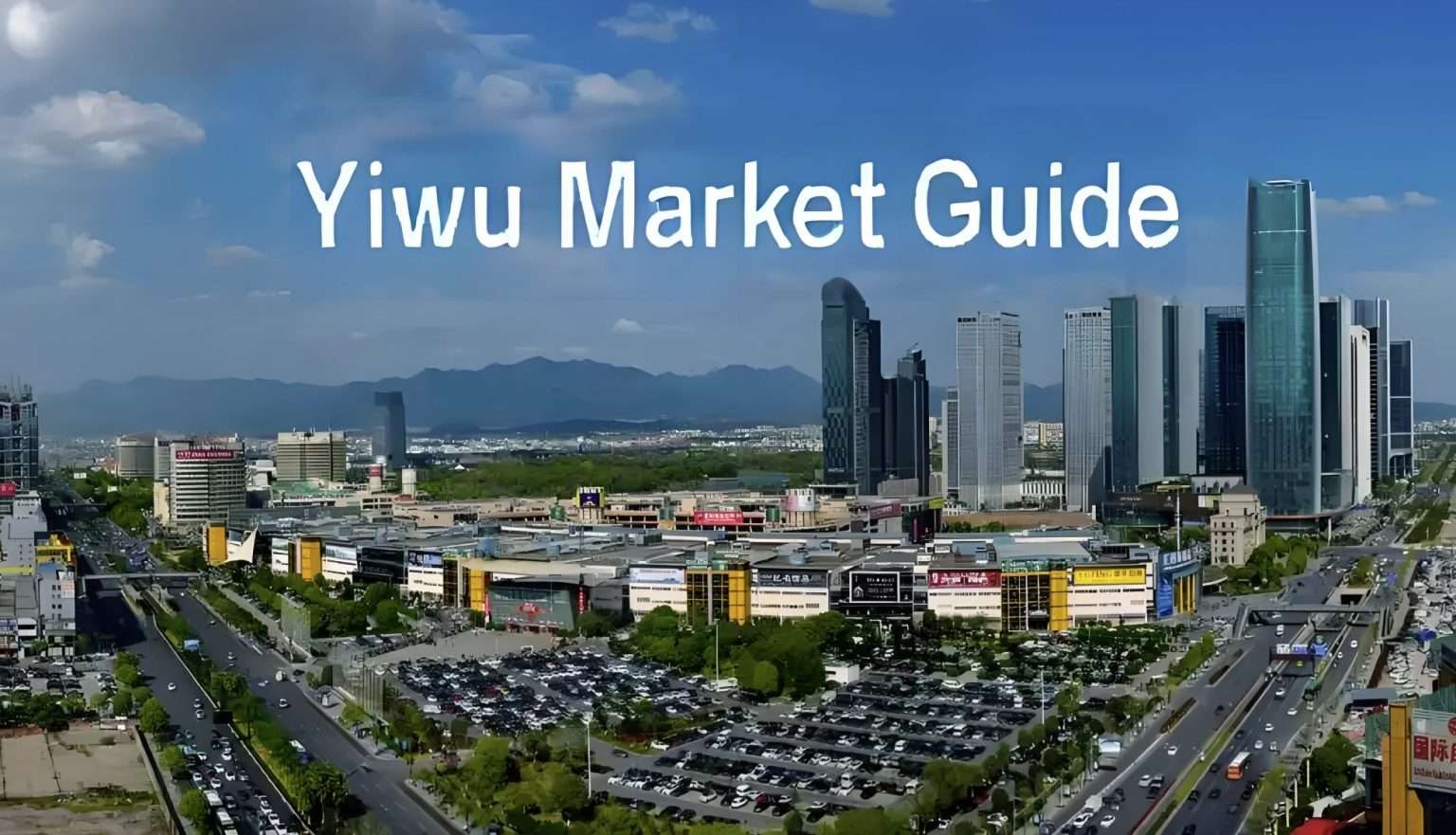
All articlesYiwu Market Guide for International Buyers
The Yiwu Market is a place to find suppliers in China especially for people looking for small items wholesale products with low minimum order quantities, mixed orders, gifts, household stuff, accessories, toys, stationery, packaging and seasonal products. The Yiwu Market is huge it has thousands of suppliers showing their products in one place. You can find anything you need here at the Yiwu Market. The Yiwu Market is not like a store where you pick something and take it home. It is a market. Most booths are like showrooms. Buyers visit the Yiwu Market, place orders and then the products are made or prepared. After that the goods are shipped from the Yiwu Market. To succeed in sourcing from the Yiwu Market you need to know how it works. You should understand what the Yiwu Market is good for, how to choose suppliers at the Yiwu Market how to check product quality at the Yiwu Market and how to ship products from the Yiwu Market. You have to do your research and plan carefully to get the best out of the Yiwu Market. Buyers need to understand the Yiwu Market to source successfully from the Yiwu Market. The Yiwu Market is good for commodities and MOQ wholesale products. The Yiwu Market has products across every consumer category. Buyers should know how to evaluate suppliers at the Yiwu Market and control quality at the Yiwu Market. Logistics is also important once you have bought something from the Yiwu Market.
Why Does Customs Hold Things Up Over "Just One Document"?
“We’re stuck because of paperwork”—this is a phrase you often hear in the world of imports. The goods seem fine. The quantities match. Yet, customs clearance isn’t moving forward. Why does paperwork alone cause such a major problem? In this article, we’ll break down the reasons from a structural perspective.
Yiwu's Ultimate Market Sourcing Guide For Global Buyers In 2026
The Yiwu International Trade Market, also well known as the "World's Supermarket" is the world's largest wholesale market for small commodities. This trading market has been designed to serve importers, product distributors, commodity retailers and e-commerce sellers from across 210+ world countries and regions. With over 75,000 physical booths and 400,000+ product SKUs ranging from small to medium and extra large products, of all diversities,categories and types, the Yiwu International Trade Market has become the top sourcing destination for global buyers seeking cost-effective, diversified and customizable wholesale products. The Yiwu's Ultimate Market Sourcing Guide For Global Buyers In 2026 is a guide aimed at elaborating on the Yiwu Market's core advantages, district layouts/product types, standard procurement/purchasing processes,common pain points, professional sourcing solutions and sourcing agent options for global newcomers and long-term buyers.
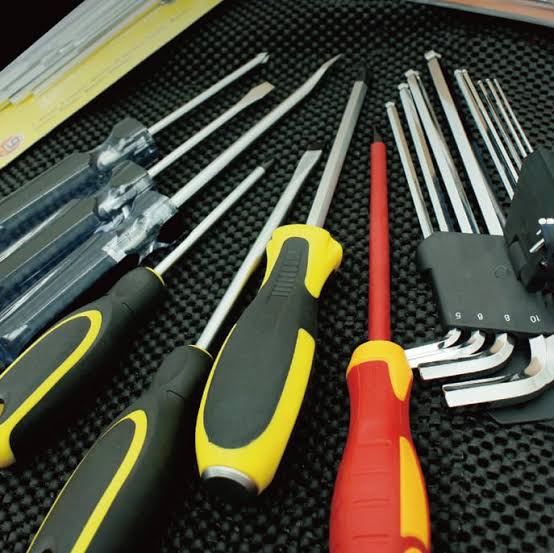
Hardware Products and Tools Sourcing from China
When you purchase hardware products from China you can earn a lot of money. However if you only consider the price you will likely end up losing money. You need to think about the strength of the hardware products materials and how accurate the sizes of the hardware products. You also need to consider how well the hardware products resist corrosion and the quality of the surface treatment of the hardware products. Hardware products from China are really different from the things you can buy in stores. China is one of the places in the world where they make hardware and tools. They make all sorts of things like hand tools, fasteners, hardware for furniture, tools for building and tools for gardening. If you want to buy hardware products from China and do well you have to be very careful. You need to be careful about what hardware products you're buying and who you are buying the hardware products from. You need to check the quality of the hardware products. What certificates the hardware products have. You also need to think about how you will get the hardware products, from China to where you need the hardware products to be.