Choose your Amazon Sourcing Model first
You should choose your business model before reaching out to vendors because each strategy has different sourcing requirements.
Private Label (the most well-liked option for sustained brand development):
You purchase a product from a manufacturer, add your own branding (such as packaging and logos), and market it under your own name.
Ideal for:
• Greater profit margins• Creating a valued brand asset
• Making a statement with bundles, packaging, or product improvements
Wholesale (lower profits, lesser risk):
This entails buying branded goods directly from manufacturers or through approved distributors and reselling them on Amazon.
Ideal for:
• Getting going fast
• Very little product development
• Demand that is more predictable despite increased competition
Retail and Online Arbitrage:
Purchasing goods at a discount and reselling them for a profit is the main goal of this business model. Ideal for:
• Quick learning with little initial expenditures• Testing product demand, however this is more risky from a policy standpoint and more difficult to scale.
Product selection: what to source (and what to avoid)
Typically, a successful Amazon product has:
• Consistent demand all year long, not just during certain seasons
• Low return rates due to a straightforward design with fewer flaws
• Low regulatory standards (particularly crucial for novices)
• Possibilities to differentiate yourself (by adding features, bundles, or better packaging)
• Strong profit margins after deducting shipping and Amazon fees
Features of the product that are easy for beginners:
• Robust and difficult to break
• Compact and lightweight, which lowers FBA and shipping expenses
• Not concerned about safety (start by avoiding things like medical, infant, or high-liability products)
• Not governed by well-known companies with stringent intellectual property laws
Products to stay away from in the beginning:
• Strictly regulated products (such cosmetics, vitamins, and children's goods without adequate testing)
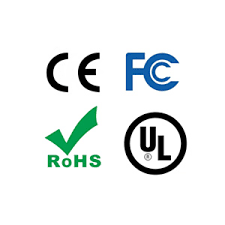
• If you don't fully comprehend compliance, electronics demands certifications.
• Multi-component, complex products (greater chance of defects)
• Products that use patented designs or copy well-known brands
Calculate profit before you source
Prior to placing a sample order, calculate your landing cost and Amazon profitability.
Your primary expenses
• Cost of the product (per unit)
• Cost of packaging
• If applicable, domestic shipping within China
• International freight (express, air, and sea)
• Taxes and duties (varies by nation)
• Prep/labeling expenses (carton regulations, poly bags, FBA labeling)
• Amazon fees (storage + FBA fulfillment + referrals)
Goal: Select goods that will continue to function even if prices increase by 10% to 20%. Fees for shipping vary.
Where to source products for Amazon
Option A: Alibaba is the most well-liked option for private labeling.
Benefits
• The suppliers have exporting experience.
• English is typically used for communication.
• Documentation and payments are simpler.
Drawbacks:
• Compared to local sourcing possibilities, prices are frequently higher.
Option B: 1688 (usually less expensive but needs local assistance) Benefits:
• Availability of domestic prices in China
• An extensive assortment of products
Drawbacks:
• Payments and logistics are local, and listings are in Chinese.
• Frequently calls for a buying service or sourcing agent
Option C: Trade exhibitions (perfect for growing firms)• Canton Fair and other trade shows are two examples.
Benefits
• It is simpler to evaluate providers' qualifications in person.
• Increased bargaining power
Drawbacks:• Needs preparation, time, and travel
Option D: Local and U.S. wholesalers (for wholesale model)
Benefits
• Shorter delivery times• Streamlined procedures for brand authorization and returns
Drawbacks:• Increased competition and reduced profit margins
How to find reliable suppliers (not just cheap ones)
Make a shortlist of about 10 to 20 suppliers for private label goods, then progressively reduce your choices.
Crucial elements to assess:
• Specialization: Do they make your kind of product as their main product?
• Minimum Order Quantity (MOQ): Is it possible to start with a lower order without sacrificing quality?
• Lead time: How long does it take to produce a full batch and samples?
• Consistency of quality: do they accept inspections and have quality control procedures?
• Amazon preparedness: are they able to manage barcodes, inserts, and appropriate packaging requirements?
Signs to be aware of
• Ineffective communication, unclear answers, or a reluctance to verify specifics
• Prices that are significantly cheaper than others (often a ploy to deceive customers)
• Not offering samples or permitting inspections
• The pressure to pay quickly without a written purchase order or precise specifications.
Use an Amazon-focused RFQ (copy/paste template)
Send a message demonstrating your professionalism and seriousness as an Amazon seller.
RFQ Format
• Product: [name + image/link]
• Order goal: [for example, 300 units]
• Variations: [sizes/colors, if relevant]
• Specifications and materials: [details]
• Branding: [packaging, inserts, and logo]
Requirements for Amazon preparation:
1. UPC or FNSKU labeling (indicate which one)
2. Poly bagging (if necessary)
3. Standards for carton marking and packing
• Quotation request:
1. Unit pricing for various numbers (300, 500, 1,000)
2. MOQ, or minimum order quantity
3. Lead time and sample price
4. Lead time in production
5. Costs of custom packaging, if any
6. Payment conditions
7. The capacity to set up an inspection prior to delivery
Advice: The most trustworthy vendors ask intelligent follow-up questions and provide concise, well-organized answers.
Samples: test like an Amazon customer
Get samples from the top two or three vendors on your shortlist.
Consider them in light of
• Durability (depending on the product, drop tests, stress, washing, and heat)
• Performance and final product
• The robustness of the packaging (can it endure shipping conditions?)
• Instructional clarity (if applicable)• Uniformity among variants (differences in size, color, etc.)
Expert advice: Before beginning full-scale manufacturing, request a Pre-manufacturing Sample (PPS) from the supplier you've chosen.
Amazon FBA prep: build it into your sourcing plan
Since Amazon may reject shipments that don't match its criteria, this is a common point where many new sellers encounter difficulties.
Common prerequisites for FBA preparation:
• FNSKU labels on each unit (if the manufacturer's barcode isn't being used)
• When necessary, poly bugging with suffocation warnings
• If necessary, bubble wrap delicate items.
• Appropriate weight and dimension restrictions for cartons
• Applying carton labels correctly
• Bundles should be packaged correctly and labeled appropriately.
Prep can be managed by:
• The supplier (better if they are trustworthy)
• A preparation facility
• A storehouse of your own
Advice: Rather than mentioning Amazon's requirements casually, include them in your purchase order (PO).
Quality control (QC): don’t skip this step
Customers on Amazon react swiftly to subpar products; returns and unfavorable reviews can immediately harm your listing.
Fundamental best practices:
• Before making the final payment, perform a pre-shipment inspection.
• Ask for images or videos that demonstrate the products, packaging, and labeling.
• Use random sampling to look for consistency and flaws.
For bigger orders:
• Conduct production-related inspections to find and address problems early.
Shipping strategy: choose based on speed and cost
Typical shipping choices for sellers on Amazon:
• FedEx, DHL, and UPS express services are perfect for small, urgent shipments or samples.
• Air freight: ideal for quicker replenishing of inventory
• The most economical option for bigger shipments is sea freight (LCL/FCL).
• DDP shipping: a cost-effective solution for novices that covers duties and delivery to your door or prep facility.
Advice: Schedule your reorder in advance. You frequently have to use costly air delivery if you wait until your inventory is nearly empty.
Protect your payment and your order
Top practices:
• Draft a comprehensive Purchase Order (PO) that incorporates all specifications and packaging needs.
• Don't cover the entire production cost up front.
• 30% up front and 70% after inspection, before to shipment, are typical conditions of payment.
• Keep thorough records of everything, including the product version, materials, and packaging.
Common sourcing mistakes Amazon sellers make
• Choosing goods just based on current trends
• Miscalculating Amazon taxes and shipping costs
• Lack of product differentiation (price competition only)
• Ignoring inspections in order to reduce expenses
• Giving the supplier complete control over packing without explicit instructions
• Placing an excessive order for the initial batch of merchandise
• Ignoring compliance obligations until Amazon brings up concerns
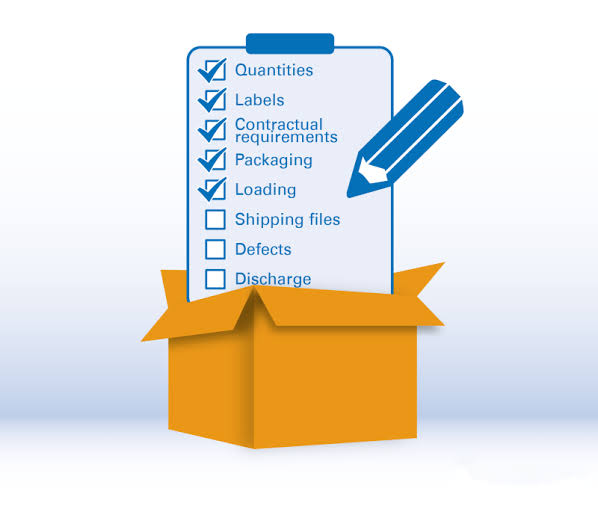
A brief checklist: sourcing goods for Amazon (repeated procedure)
• Decide whether to use a private label, wholesale, or arbitrage business.
Verify demand and potential profits.
• Determine land prices and Amazon fees.
Make contact with ten to twenty suppliers.
• Analyze quotations and confirm vendors
• Purchase and examine two to three samples.
Verify the FBA preparation requirements.
• Complete a PO with comprehensive packaging and specifications.
Inspection should be done before to final payment.
• Use a clear shipment plan (DDP/FOB + freight forwarder).
• Introduce the product and gather input
• Enhance the upcoming iteration and scale
FAQ
What is the recommended quantity for my initial private label batch?
Usually between 200 and 500 units, depending on demand and cost. Make it both big enough to evaluate profitability and small enough to learn.
Which is better, Alibaba or 1688?
While 1688 can offer lower costs but typically needs an agent and stricter process management, Alibaba is more user-friendly for novices.
Do product certifications apply to me?
It is contingent upon your target market and product category. Prior to placing your order, be sure that any necessary compliance has been addressed.
at last
In short, successful sourcing is not just about finding low prices. It is about building a reliable supply chain. If you need support with sourcing products from China, supplier screening, quality control, or shipping coordination, HubBuyer can help you simplify the process and source more efficiently.