What does a product sourcing agency do?
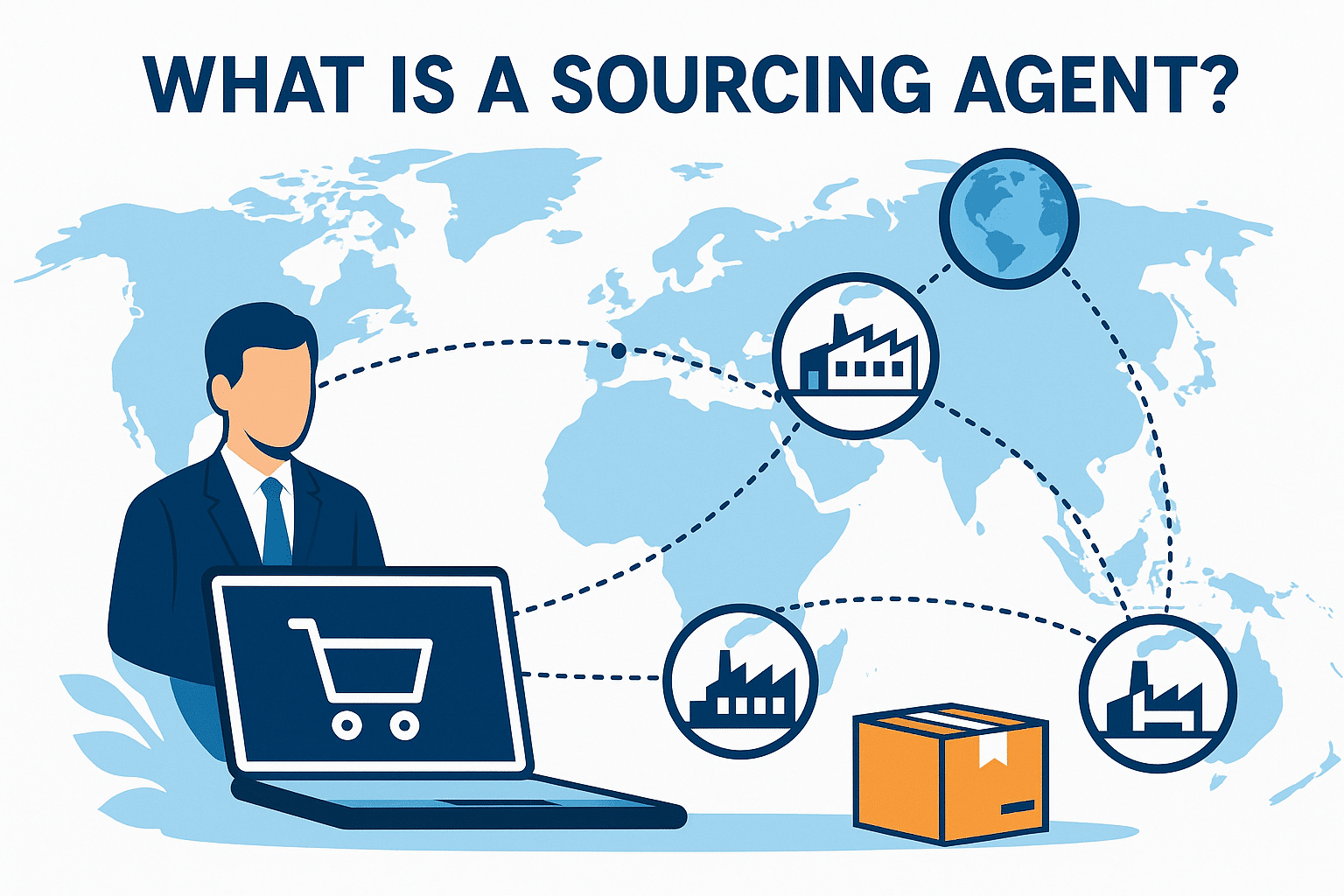
A professional sourcing agency usually manages the entire "source-to-delivery" process:
1) Supplier discovery and verification
•Identifying suitable factories or wholesalers based on your requirements
•Conducting background checks (legitimacy, export history, production capacity)
•Comparing supplier pricing, MOQs, lead times and materials
2) Product development and customization
•Coordinating OEM/ODM production (custom features, sizes, materials, molds)
•Supporting private labeling (logos, packaging, inserts, barcodes)
•Managing sampling and revisions (prototypes and final approval samples)
3) Negotiation and contract support
•Negotiating unit pricing and bulk discounts
•Structuring payment terms (deposit, balance or letter of credit if required)
•Defining defect policies and compensation terms
•Agreeing on timelines and where applicable, penalties for delays
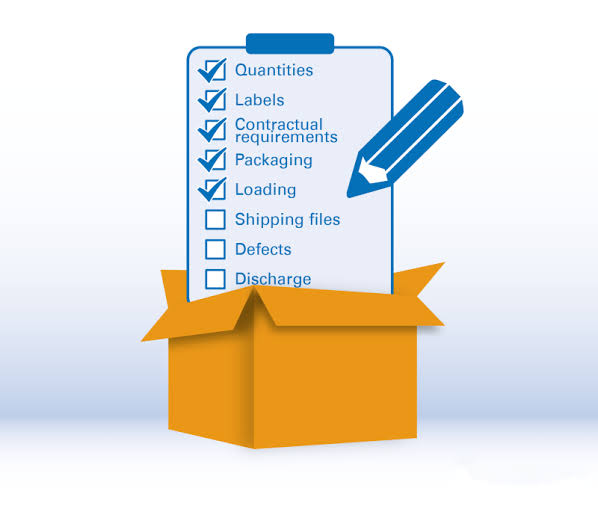
4) Quality control (QC) and inspections
•Pre-production inspections (important specs, colors, and materials)
•During production, in-process inspections
•Last-minute checks before shipping
•Resolving supplier difficulties and delivering photo/video reports
5) Order consolidation and logistics
•Combining shipments from multiple suppliers in a warehouse
•Verifying packaging and optimizing carton sizes
•Planning freight (air, sea, express) labeling and documentation
•Managing Incoterms (EXW, FOB, CIF, DDP) and customs coordination
Why use a sourcing agency in Asia?
Cost and efficiency
•Access to better supplier networks and competitive pricing
•Faster communication and follow-ups with suppliers
•Reduced risk of costly errors (incorrect specifications, packaging issues, delays)
Quality and risk control
•Local inspections prevent defective products from reaching customers
•Stronger enforcement of quality standards and rework when necessary
•Lower risk of fraud compared to working independently with unknown suppliers
Scale and operations
•Simplified management of multiple factories through a single contact point
•Cost savings through shipment consolidation
•More reliable restocking and stronger long-term supplier relationships
Which Asian country is best for sourcing?
The ideal country depends on your product type and business objectives:
•China: extensive supplier network; strong in consumer goods, electronics, packaging, accessories, home products, and tooling
•Vietnam: well-known for furniture, apparel and manufacturing diversification
•India: textiles, leather goods, jewelry, handicrafts and certain industrial items
•Thailand / Indonesia: lifestyle products, furniture, crafts and selected textiles
•Taiwan / South Korea: premium manufacturing, electronics and high-quality components (often higher cost but superior quality)
Many sourcing agencies provide multi-country solutions to reduce reliance on a single market.
Types of sourcing agencies (and which one you need)
1) “Full-service”sourcing agency
Supplier sourcing, negotiation, quality control, consolidation and shipping are the best options for full end-to-end support.
2) “Supplier finder" (lightweight)
Best if you only need supplier introductions and basic verification, while managing logistics and QC yourself.
3) Category specialist
Best for complex or regulated products (e.g., electronics, cosmetics, children’s products) where compliance and testing are critical.
4) Marketplace buying agent
Best for sourcing from domestic marketplaces and combining multiple small orders into export-ready shipments.
How to choose the right product sourcing agency in Asia
Use the following criteria as a checklist:
Must-have checks
•Clear price structure with no additional expenses
•A well-defined quality control procedure (reporting and inspection phases)
•Direct connection to genuine suppliers who can deliver samples fast
•Knowledge of exporting to the United States, the European Union, the United Kingdom and Southeast Asia
•Effective communication and responsiveness in English
•Case studies or a track record of success in your product sector
Questions to ask before you hire
•How can you verify that a provider is an authentic factory or trustworthy dealer?
•Could you give examples of your quality control procedures?
•How are errors resolved (credits, rework, refunds and replacements)?
•How is it stated if you receive commissions or rebates from suppliers?
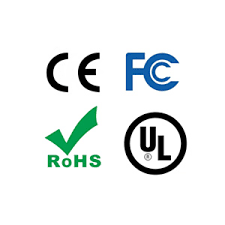
•Are you able to help with CE, FCC, RoHS and labeling compliance documentation?
•Do you provide carton optimization and consolidation services?
•Which Incoterms (EXW, FOB, DDP) are best for my situation and why? confirm a supplier is a genuine factory or reliable trader?
Pricing models you’ll see (and what they mean)
Typical agency pricing structures include:
•Service fee (%): a percentage of the order value (common for ongoing sourcing)
•Fixed project fee: often used for product development or supplier search and sampling
•Per-inspection fee: applied when only QC services are required
•Margin-based pricing: the agency adds a markup to the product price (acceptable only if fully transparent)
Tip: For better cost control, opt for a transparent service-fee model with clear invoices and receipts.
Red flags to avoid
•Refusing to provide supplier information or respond to inquiries about verification
•The need to pay quickly without samples or written specifications
•"Guaranteed lowest price" claims, which are frequently impractical
•Inadequate documentation or processes for quality control
•Using personal payment accounts or using ambiguous company details
•Inadequate or irregular communication following the first interaction
A simple workflow for working with a sourcing agency
•Send in a product brief that includes the specifications, target pricing, MOQ, images and compliance requirements.
•Examine a shortlist of three to eight vendors and compare their prices.
•Get samples, test them and complete the product specs.
•Place the order and specify the acceptance criteria and QC checkpoints.
•Track issues and provide frequent updates to production.
•Before authorizing shipment, perform a final examination.
•Combine items and schedule delivery using the best possible packaging and paperwork
•Assess delivery outcomes and make improvements for subsequent orders.
Conclusion
For companies looking to reduce quality risks, streamline sourcing and create scalable supply chains across several nations and vendors, an Asian product sourcing agency might be a useful partner. Choosing an agency with clear pricing, strong quality control procedures and experience exporting within your product category is crucial for success.