What is a strategy for sourcing?
A company's long-term plan for choosing suppliers and buying goods or materials is called a sourcing strategy. It says:
●what you get (specifications and quality standards)
● where you get it from (countries, regions or clusters)
●who becomes your supplier (types of suppliers and their qualifications)
●how you buy (contracts, payment terms, minimum order quantities and forecasting)
●how you make purchase and handle risk (QC, compliance, logistics, backups)
● how you get better over time (lowering costs, developing suppliers, audits)
A well-thought-out strategy makes procurement a competitive advantage by lowering the number of surprises and making things go more smoothly.
Why a Sourcing Strategy is Important
A lot of businesses end up with:
●Quality that isn't stable (sample is fine, but bulk isn't)
●Costs that aren't obvious (packaging, mold fees, rework, claims, and mistakes made by customs)
●Long waits (not enough planning for capacity, unclear lead times)
●Dependence on suppliers (one factory = one failure point)
●"Spreadsheet chaos" (no central tracking, problems with reordering)
You get the following with a plan:
●Cost and quality that can be counted on
●Easier to reorder and faster to grow
●Fewer refunds and chargebacks (for online shopping)
●Better planning for cash flow
●A better position to negotiate over time
The Five Main Goals of Any Sourcing Strategy
A good sourcing strategy makes the most of five things:
1. The full cost (not just the unit price)
2. Includes shipping, taxes, defects, rework, delays, and fees for making payments.Quality and Consistency
3. Fewer claims and better reviews when you have clear specs and a stable process. Lead Time & Reliability
4. Time to make the product, time to ship it, and time to plan for delays. Risk Control
5. Risk control: checking suppliers, making backups, following the rules, and doing inspections.Scalability means being able to handle more volume, add more SKUs, and run operations with more than one supplier.
Choose the Sourcing Strategy Model That Works Best for You
1、 Single Source
You buy a line of products from one main supplier.
Pros: a strong relationship, lower prices and easier management
Cons: If the supplier fails, there is a high risk; less flexibility
Best for: products that are stable and suppliers that do a good job and follow through on their contracts.
2、 Dual Sourcing
There are two suppliers for the same item.
Pros: backup space and better risk management
Cons: more work for management, possible changes in specs
Best for: best-sellers, high-risk groups and short lead times.
3、 Getting things from more than one place
Multiple suppliers for each SKU.
Pros: being able to change things quickly and easily while being able to make products quickly
Cons: more expensive to coordinate and if not managed, documentation can be inconsistent
Best for: sellers of e-commerce, products with a wide range and seasonal categories.
4、 Nearshoring or Regional Sourcing
Get your supplies from places that are closer to your market.
Pros: faster restocking, easier to talk to each other
Cons: higher costs per unit and fewer options
Best for: products where delivery speed and agility matter.
5、 Strategic Partnership (Supplier Development)
You put money into a relationship with a supplier by upgrading processes, planning together, and signing long-term contracts.
Pros: quality stays the same, priority, capacity and costs go down over time
Cons: needs a lot of volume and management skills
Best for: brands that are already well-known, long-term product lines and OEM/ODM.
A Useful 7-Step Framework for Sourcing Strategy
Step 1: Set your sourcing goals (business needs)
Before you get in touch with suppliers, make sure you know:
●target cost range (not just the price per unit, but also the landed cost)
●standard of quality (spec sheet + tolerance for defects)
●time needed to get things back in stock (replenishment plan)
●needs for compliance (materials, labels, certifications)
●minimum Order Quantity (MOQ) and forecast
●requirements for packaging and branding
Output: a clear specification and a document that shows what you need to buy.
Step 2: Make a Supplier Map (Where + Who)
Different areas are known for making different things. To map your supply base, do the following:
●group factories (by type)
●trading company, factory or wholesaler
●capacity tier (small workshop vs. big factory)
Tip: Don't compare suppliers until you know they're the same kind. A "cheap quote" could mean a low-quality workshop with no quality control.
Step 3: Supplier Qualification (Don't Skip This)
Check:
●address of the factory and business license
●ability to make things (equipment, staff, lines)
●experience with exports in the past
●quality system (checks on incoming goods, control during production and final inspection)
●the speed of communication and the quality of the paperwork
●references, online presence or a third-party audit (for large orders)
Output: a qualified shortlist of 3 to 5 suppliers for each product line.
Step 4: Sampling and Spec Lock (Avoid the Biggest Problem)
"Sample good, bulk bad" is the most common reason for sourcing failure.
● A standard sample approval process must be part of your plan.
● a written spec sheet that includes the materials, dimensions, finish, function and packaging
●keeping a golden sample or a photo or video reference
●control over changes (no changes without written permission)
Output: a locked spec baseline for large orders.
Step 5: Cost Structure and Negotiation
(Don't Just Look at Unit Price)
Negotiation should include:
●Minimum order quantity (MOQ) and price breaks
●cost of packaging and optimizing cartons
●terms of payment (deposit/balance, LC, OA if possible)
●promises about lead times and penalties
●policy for dealing with defects (replacement or refund)
●Ownership of tools and molds (OEM products)
Output: a clear contract and a total cost model.
Step 6: Quality Control Strategy (Risk Level Inspection Plan)
Your plan should say when and how to check:
Products with low risk:
●checks by sight and random sampling
Products with a medium risk:
●checking the cartons and inspecting the shipment before it leaves
High-risk items (valuable, fragile, or not following the rules):
●checking while the process is going on, checking before shipping, and a packing drop test
●AQL standard or made-to-order list
Result: QC plan linked to product risk.
Step 7: Logistics and a system for reordering (scale without chaos)
A mature sourcing strategy has:
● a plan for combining orders from more than one supplier
●rules for choosing a shipping method (air, sea or express)
●standard papers like invoices, packing lists, HS codes and labels
●triggers for reordering (sales speed, inventory levels)
●tracking performance: rate of on-time delivery, rate of defects, rate of claims and cost variance
Output: a procurement process that can be used over and over again to help the business grow.
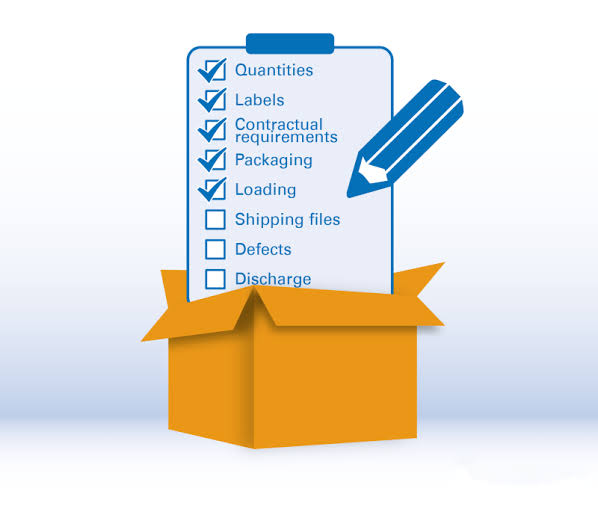
The Sourcing Strategy Checklist (Copy & Use)
This says that the product specs and target landed cost have been set, the supplier map and cluster research are done, a shortlist of qualified suppliers has been made, the sampling and spec lock process is in place and the negotiation includes terms, not just the unit price.
QC plan set based on risk level; shipping and consolidation plan made; reorder system and KPI tracking set up; backup suppliers ready for best-sellers
Common Mistakes Found In A Sourcing Strategy
1. Picking the lowest quote without checking the quality tier
2. No spec sheet (causes "misunderstanding" disputes)
3. No proof of quality control (defects found after arrival)
4. Relying on one supplier for best-selling items
5. Not paying attention to packaging (shipping damage cuts into profits)
6. No reorder process (every reorder starts over)
7. Not keeping track of how well suppliers are doing (no improvement loop)
Best Practice: A Hybrid Strategy That Works for Lots of Sellers
A lot of e-commerce businesses do well with a mix of approaches:
●Test stage: getting products from multiple sources and having a low minimum order quantity
●Stage of growth: getting best-sellers from two sources and better quality control
●Scale stage: bulk buying, a strategic partnership, and custom packaging
●Maturity stage: developing suppliers, lowering costs, and offering a nearshore option for speed
This lowers risk while still letting you be flexible.
Final Words
A sourcing strategy is a system made up of clear specifications, qualified suppliers, controlled quality, and a process for reordering that can be repeated. When done right, it boosts profits, lowers stress at work, and gives you the confidence to grow.