What is a Taobao agent?
A Taobao agent is a third-party sourcing service that helps people from other countries buy things from Taobao sellers by taking care of:
●Ordering and paying for goods bought in China (they pay the seller in RMB)
●Talking to sellers (in Chinese chats, about size and about customizations)
●Getting goods at their warehouse
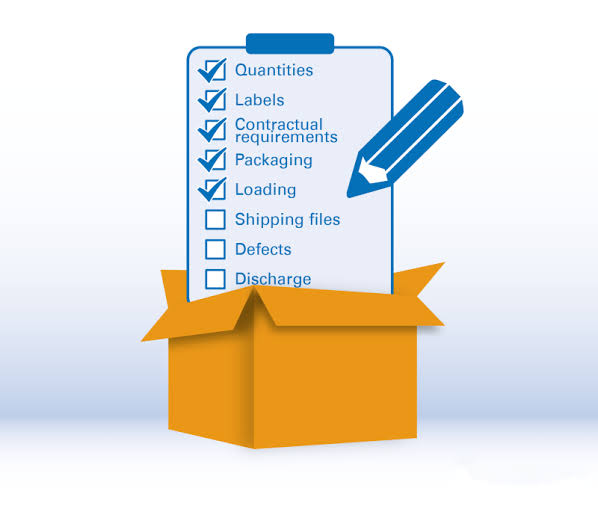
●Check and take pictures (optional)
●Consolidation (putting several orders into one shipment)
●Help with international shipping and customs paperwork (varies)
When you should hire an agent
●You can't use Taobao's ways to pay
●You want to buy from more than one store and have them all shipped together.
●You need to check the quality, take pictures, or repack.
●You're buying things that are easily broken, look like they're from a brand, or might be a problem for customs.
Taobao Agent vs. Direct Taobao International Shipping
Direct (if it's available in your area)
Pros: fewer steps, and sometimes faster
Cons: fewer options for sellers, less control over consolidation and inspection and some items can't be shipped internationally.
Pros: You can buy from almost any Taobao seller, and consolidation saves on shipping costs. Inspections lower the risk.
Cons: extra fees for service, steps in the warehouse and more decisions to make If you're buying more than two or three things or from more than one store, an agent is usually worth it.
How Taobao agents make money (you should know this before you start)
Most agents charge a mix of the following:
1. The service fee is either a percentage of the product price or a set amount per order.
2. The cost of shipping within the country (from the seller to the agent's warehouse; sometimes free, but usually small)
3. Services for warehouses, like taking inspection photos, repacking, and adding extra protection
4. Shipping to other countries (by weight/volume, shipping line, and destination)
5. Payment fee or exchange rate margin (some agents include this in FX)
Important Terms: Weight by Volume(Volumetric Weight)
Shipping cost is usually based on the highest weight, be it Volumetric or Actual Weight:
●Weight in kilograms (Actual Weight)
●Weight based on size (volumetric weight)
For big things like pillows, coats, and stuffed animals, volumetric weight can be the main cost driver.
Step-by-Step: How to Use a Taobao Agent (Full Workflow)
Step 1: Choose an Agent (Checklist)
Look for:
●Countries and shipping lines that are supported
●Options for consolidation and repacking
●Basic vs. detailed photo inspection
●A clear fee structure
●A list of things that are not allowed and customs advice
●Help with returns and disputes (some do, some don't)
Tip: If you care about the quality of the product, choose agents that send you pictures and the weight of the package before shipping.
Step 2: Search for Products on Taobao Like a Pro
You can either search directly on Taobao or paste links into the agent's search bar.
A quick checklist for evaluation
●Store rating and how long they've been in business (the longer, the safer)
●Recent reviews with pictures, especially of clothes
●There is a size chart that is very detailed for clothing.
●Photos of the product that are clear and not heavily edited
● "Custom-made / Preorder" wording (means longer lead time)
Stay away from beginner traps
●"Factory direct, 1:1, same as brand" claims (risk of customs problems)
●Deals that are too cheap for the market (risk of poor quality)
●No clear terms for returns or after-sales service
Step 3: Copy the link into the agent and place the order.
Things you usually choose:
●Color, size and type
●Amount
●Notes to the seller, like "Please confirm size," "No logo," "Double-box," and "Send in 2 days."
●When you buy clothes, make sure to include:
● Height and weight
●Bust, waist, and hip measurements (cm)
●In Chinese, ask for the right size (the agent can translate).
Step 4: Make the first payment (for the products and shipping within the US)
Your first payment usually includes:
●Price(s) of items
●Shipping within the seller's country (if any)
●Agent service fee (which may be charged later)
The agent buys from the seller after getting paid.
Step 5: The items get to the agent's warehouse for inspection.
When things get here, you'll see:
●Status of arrival
●Weight and size were recorded (sometimes after they were combined)
●Pictures (if you paid for an inspection)
What you should look at
●Matches in color and type
●Stains, cracks, and other visible problems
●For electronics, the power rating and plug type are important.
●For shoes, there should be a size tag, sole glue, and shape symmetry.
●For fragile items, ask for bubble wrap and double boxing.
If something is not right:
● Ask for a return or exchange right away (Taobao's return windows can be short)
Step 6: Put Packages Together
Combining several orders into fewer boxes to save on shipping costs is called consolidation.
Common options include:
●Repacking (take out the original boxes and make them smaller)
●Extra padding, like bubble wrap and corner protection
●Take off tags or invoices (this can be helpful)
●Split shipment (safer for fragile items or customs)
Best way to do things
●Only group together things that are equally fragile
●Put fragile and heavy things in separate boxes.
Step 7: Pick an International Shipping Line
Common types of lines (the names differ by agent):
●Express (fast): best for small, urgent, or expensive packages
●Air standard: a good balance of speed and cost
●Sea and rail are cheaper for big or heavy shipments, but they take longer.
●Tax-included or DDP-style lines: sometimes easier for customs to handle (availability varies)
How to pick
● If you're sending clothes or accessories, air standard is usually fine.
●If you're sending fragile ceramics or glass, use express shipping and strong packing.
●If you're sending large household items, sea/rail might be worth it.
Step 8: Tell Customs Agents what they need to know.
●Type of product
●Value stated
●Amount
Important
●Don't say values that are way too low—this makes customs problems worse.
●Make sure your descriptions are short and straight to the point (like "plastic storage box" or "cotton T-shirt").
●Don't use brand names in declarations unless you have to.
If you're not sure, use a realistic value and split the shipments if you need to.
Step 9: Make the Second Payment (For Cross Border Shipping)
You pay the international shipping bill after you choose shipping and services.
After that, you get:
●Updates on the status of shipping
Step 10: Delivery, Duties, and After-Sales.
This depends on your country and shipping line:
You might have to pay import taxes or duties.
●Or the line might include handling taxes If items come in broken:
●Take pictures or videos of the unboxing (this is very important for claims)
●Get in touch with the agent right away with proof
What can't you buy through an agent?
(Most Common Restrictions)
A lot of agents limit or refuse:
●Hazardous materials like batteries, power banks, perfumes, and aerosols
●Fake or branded copies (risk of customs)
●Knives and guns (depends on the country)Some cosmetics and liquids
●Food (often limited)
Always look at your agent's list of things you can't bring in and the rules for bringing things into your country.
Clothing Sizes: The Biggest Problem (Here's How to Fix It)
The sizes on Taobao are often different from those in the US and EU.
Best way
1. Measure a similar item you already own (cm): chest, shoulders, length, and sleeves
2. Look at the size chart from the seller
3. Based on your height, weight, and measurements, ask the seller for a recommendation.
4. If you're between sizes, choose the one that fits best (tight vs. loose).
Pro tip: Give listings with real review photos and "fit feedback" higher priority.
Cost Control: How to Spend Less Without Getting Hurt
●Buy from fewer stores to make shipping within the country easier.
● Consolidate in a smart way (repacking cuts down on volumetric weight)
●Don't use super-bulky packaging unless you have to (like shoe boxes).
●Use rail or sea for heavy goods that don't need to get there right away.
● Split up shipments to lower the risk of customs problems on big mixed orders
Things beginners should not do
●Ordering 10 things before trying out the agent with 1–2 things
●Not paying attention to volumetric weight (big things cost more)
●Not buying pictures of inspections for items that are high-risk
●Taking too long to ask for returns or exchanges
●Shipping everything in one big box (risk of customs and damage)
●Buying "brand-like" things without knowing the risks of customs
Quick checklist (copy and paste) Before you buy
● The seller has good reviews with pictures
● The size chart and material details are easy to understand.
● You know how long it will take to get something (in stock vs. pre-order).
● The agent and import rules allow the item.
At the warehouse
● Pictures show that the right variant is correct
● No visible problems
● Ask for repacking or padding if the item is fragile.
● Decide whether to combine or split before shipping
Before Shipping
● Pick a shipping line based on how fast, cheap, or fragile it is.
●Be honest and accurate when you declare
● Keep records of invoices and orders
● Make a video of the unboxing for claims
FAQ
Is it okay to use a Taobao agent?
Yes, agents are a common service that works across borders. Importing goods that are illegal or fake is the main legal problem.
How long does it take?
● Normal time frame: Seller ships to warehouse in 2 to 7 days
Processing time in the warehouse: 1 to 3 days
●Shipping to other countries: 3 to 15 days or more, depending on the line
Can I send things back?
Sometimes. If the agent can return domestically within the seller's window, returns are easier. International returns are often not possible.
Do I have to speak Chinese?
Not usually—your agent talks to the seller for you.