The Ultimate Guide to China Product Sourcing Websites
From electronics to fashion to home goods to industrial parts, China continues to dominate global manufacturing. The pricing, customization, and scaleability of sourcing from China are unbeatable for importers, e-commerce sellers, and entrepreneurs.
However, the biggest challenge for most buyers isn’t finding products — it’s knowing where to find trustworthy suppliers. With so many online options, the process of navigating Chinese product sourcing websites can feel overwhelming.
Why Use China Product Sourcing Websites?
The first online sourcing platforms didn't exist until China's trade fairs and factories were open to the public. Today, you can browse millions of products, compare suppliers, and place orders with just a few clicks.
Using China product sourcing websites offers:
● Access to thousands of manufacturers in every industry.
● Transparent pricing and minimum order quantities (MOQs).
● Digital negotiation tools and messaging systems.
● Trade assurance and buyer protection (on major sites like Alibaba).
● Faster product development through OEM/ODM customization options.
Whether you’re a wholesaler, an Amazon FBA seller, or dropshipper, these platforms provide the easiest way to build your supply chain remotely.
How to source for a product from China.
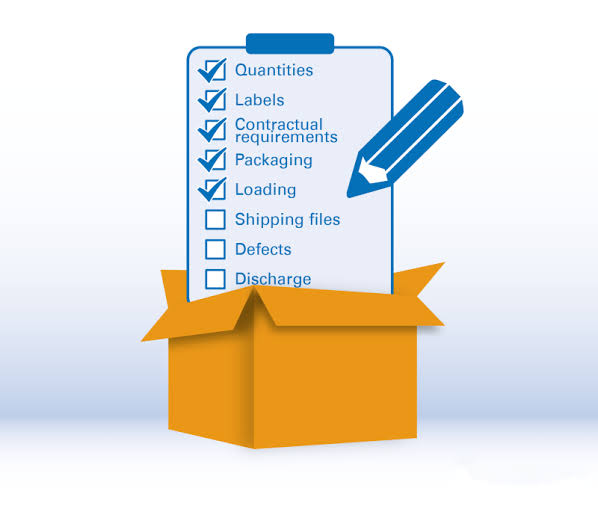
If you’re wondering how to source a product from China, the process involves five key steps:
1. Define your product requirements.
2. Include specific information about materials, dimensions, certifications, and prices. Agents and suppliers can quote more accurately if they have detailed specifications. Search for supplier products online.
3. Research factories that specialize in your product category on sourcing sites. Types of requests should be described. Feel free to contact us if you would like a quote or a sample.
4. Don’t rely on one supplier — contact several, compare quotes, and always order samples before production. Negotiate production. Negotiate pricing and terms.
5. Clarify payment schedules, lead times, and shipping options. Many factories offer discounts for bulk or repeated orders. Arrange for orders. Arrange quality inspection and shipping.
Work with third-party inspection companies or sourcing agents to verify quality before goods leave China. Sourcing successfully isn’t just about finding the cheapest supplier — it’s about balancing cost, quality, and reliability.
Where Can I Find a China Supplier?
The easy answer isThe easy answer is: : China's major B2B sourcing platforms. But your approach depends on your goals.
To find mass production for private labeling or wholesale, start with Alibaba, Made-in-China, or 1688.
If you’re seeking unique or small-batch items, explore marketplaces like Taobao or Yiwugo, which focus on factory-direct and wholesale markets.
Using Global Sources and HKTDC, you can find verified suppliers in specific industries (e.g., electronics, packaging, textiles).
Let’s dive into our curated China product sourcing list.
China's Product Sourcing Websites
Below is a breakdown of the most popular China product sourcing websites, each serving a different type of buyer — from global wholesalers to e-commerce entrepreneurs.
1. Alibaba.com: The largest online B2B marketplace for manufacturers, suppliers, exporters, and importers.
For: Purchasing wholesale from international suppliers and manufacturing private labels
Alibaba connects millions of buyers with Chinese manufacturers through its largest B2B marketplace. Through Alibaba.com: Manufacturers, Suppliers, Exporters & Importers from the world's largest online B2B marketplace for Logistics, it supports trade assurance, secure payments, and end-to-end logistics.
Advantages:
Program that protects global buyers
Quotes and messaging with suppliers are easy
Wide range of product categories (from machinery to apparel)
Orders in bulk and customized orders are ideal
Negatives:
Trading companies rather than factories are listed
Prices are often higher than on domestic platforms such as 1688
2. 1688.com — Factory-Direct Prices for Local Buyers
Suitable for: Buyers who are cost-sensitive and professional sourcing agents
Alibaba Group owns 1688, a Chinese version of Alibaba that offers factory-direct prices. You'll likely need a China sourcing agent or translator to use the site effectively since it's entirely in Chinese.
The pros are:
Prices at the factory
A large network of suppliers
It is ideal for comparing products
Negatives:
Please note that only Chinese is supported
The payment must be made by Alipay or with a Chinese bank account
3. Made-in-China.com - Manufacturers, Suppliers & Products in China — Verified manufacturers
Suitable for: Buyers seeking factory certifications and export-ready suppliers
Transparency and verification are key components of Made-in-China. Certification checks are performed on suppliers, and many listings include inspection reports and audit videos.
Advantages:
Manufacturers only from verified sources
Documentation regarding factory inspections
Provides sample requests upon request
Inconsistencies:
The range of products is smaller than that of Alibaba
Some listings are outdated
4. GlobalSources.com — Premium Export-Ready Suppliers
Best for: Electronics, consumer goods, and trade show buyers
Global Sources has been a trusted B2B platform since the 1970s, known for curating high-quality suppliers — especially in electronics and smart devices. Many suppliers exhibit here and at Hong Kong Global Sources trade fairs.
Pros:
● Verified exporters and manufacturers
● Strong electronics and tech categories
● Excellent supplier communication tools
Cons:
● Minimum orders are often high
● Some listings are limited to large buyers
5. Yiwu — Yiwu Wholesale Market Online
Best for: Small commodities, accessories, gifts, and home goods
Yiwugo is the official website of Yiwu International Trade City, one of the world’s largest wholesale markets. You can browse millions of products, chat directly with market vendors, and even visit their booths in person.
The pros are:
Suitable for small wholesale and bulk orders
Addresses and photos of suppliers
MOQs are low
The cons are:
Support for English is limited
There are some vendors who require WeChat or local communication
6. HKTDC — Hong Kong Trade and Development Council
Best for: International buyers seeking premium, export-compliant suppliers
HKTDC connects overseas importers with pre-verified suppliers from Hong Kong, mainland China, and other parts of Asia. It’s especially suitable for corporate sourcing or buyers needing audited partners.
The pros are:
Suppliers with export orientation who have been verified
Credibility guaranteed by the government
Lists of useful trade shows
A few cons:
Compared to 1688 or Yiwu vendors, prices are higher
Diversification of products is smaller
7. TAOBAO — For Small Orders and Trendy Products
Best for: Dropshipping, prototype testing, or market validation
The Taobao marketplace is China's most popular consumer-to-consumer (C2C) platform. It’s not primarily for wholesale, but many small factories and retailers list trendy, fast-moving products there. It’s excellent for testing upcoming product ideas before committing to large orders.
Advantages:
Products of a wide variety
Ideal for small orders with low minimums
Using agents to ship internationally and integrating with Alipay
Inconsistencies:
Large-scale wholesale operation is not recommended
Support for the Chinese language or agents is required
China Product Sourcing Websites for Free
Many platforms allow free browsing and supplier contact, though premium memberships offer additional features.
● Alibaba Free Membership: Browse, message suppliers, and request quotes for free.
● 1688.com: Completely free use within China (language barrier applies).
● Yiwugou: Free access to Yiwu market listings.
● Made-in-China & Global Sources: Free browsing with optional paid verification tools.
If you’re just starting, free versions are often sufficient for research and supplier discovery.
How to Search for Products in China?
When searching for products on these platforms,
1. Use precise keywords (e.g., “cotton tote bag manufacturer,” not just "bags").
2. Filter by verified suppliers and years in business.
3. Check trade assurance badges and response rates.
4. Compare minimum order quantity, minimum order quantity, unit price, unit price, and lead time.
5. Always order a sample before full production.
You can also use a China sourcing agent if you prefer local negotiations, factory visits, and quality checks.
Final Thoughts:
China product sourcing websites have revolutionized global trade — empowering small and large businesses alike to access world-class manufacturing without leaving their offices.
Whether you use Alibaba for international deals, 1688 for factory-direct pricing, or Yiwugo for small wholesale orders, these platforms are your entry point into China’s vast supply network.
So if you’ve been wondering “What is the right website for China sourcing?”, the answer depends on your needs. However, one thing is certain: with the right tools and strategy, sourcing from China has never been easier or more profitable.